Western Cape Faces Long Road to Climate Resilience Post-Flood
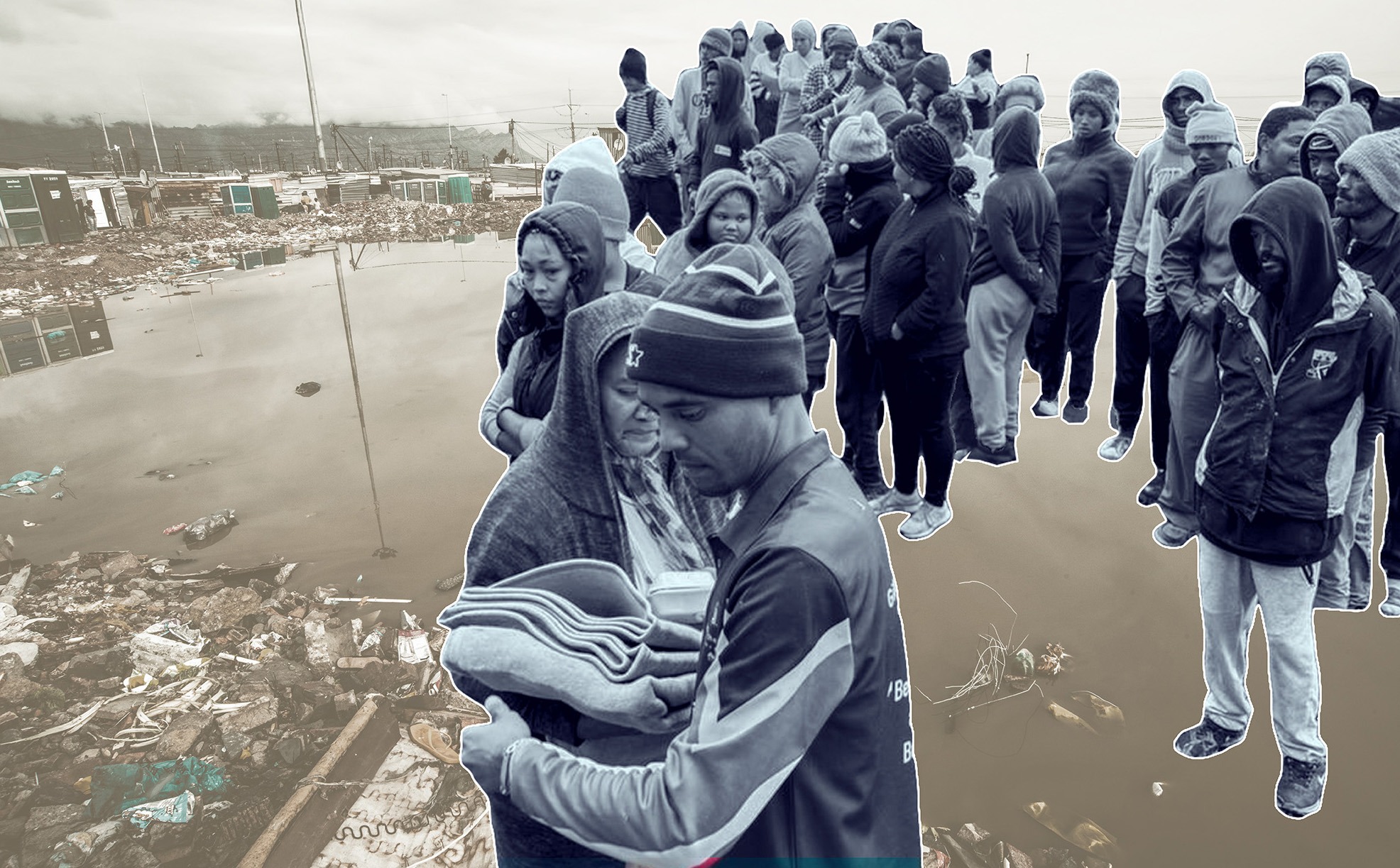
Months after the devastating floods that inundated the Western Cape in May, residents are still recounting their experiences of living through weeks of waist-deep water. The catastrophic event has brought the urgent need for climate adaptation strategies to the forefront for local government. However, authorities are facing significant challenges in implementing these plans, primarily due to substantial funding shortfalls. The initial media attention has subsided, but the long-term implications of the floods continue to impact the region. The government is now tasked with developing and executing climate-responsive strategies to mitigate the effects of future extreme weather events. This includes addressing the immediate needs of affected communities while simultaneously building long-term resilience. The scale of the disaster highlights the vulnerability of the region to climate change impacts. The implementation of effective adaptation plans is crucial for the future safety and stability of the Western Cape.
The Western Cape floods underscore the increasing frequency and intensity of climate-related disasters globally. While the immediate aftermath focuses on recovery and humanitarian aid, the long-term challenge lies in systemic adaptation. Governments face a critical trade-off between immediate disaster relief and sustained investment in climate-resilient infrastructure and policy. The funding shortfalls highlight a common governance dilemma: balancing competing public expenditure priorities against the escalating, often unpredictable, costs of climate change. Future strategies must integrate climate risk assessment into all levels of planning and investment, potentially requiring innovative financing mechanisms and intergovernmental cooperation to build enduring resilience against inevitable environmental shifts.
AI-generated to prompt reflection — not editorial opinion, not advice, not a statement of fact. How this works.