Western US Wildfires Cause Mass Evacuations and Home Destruction
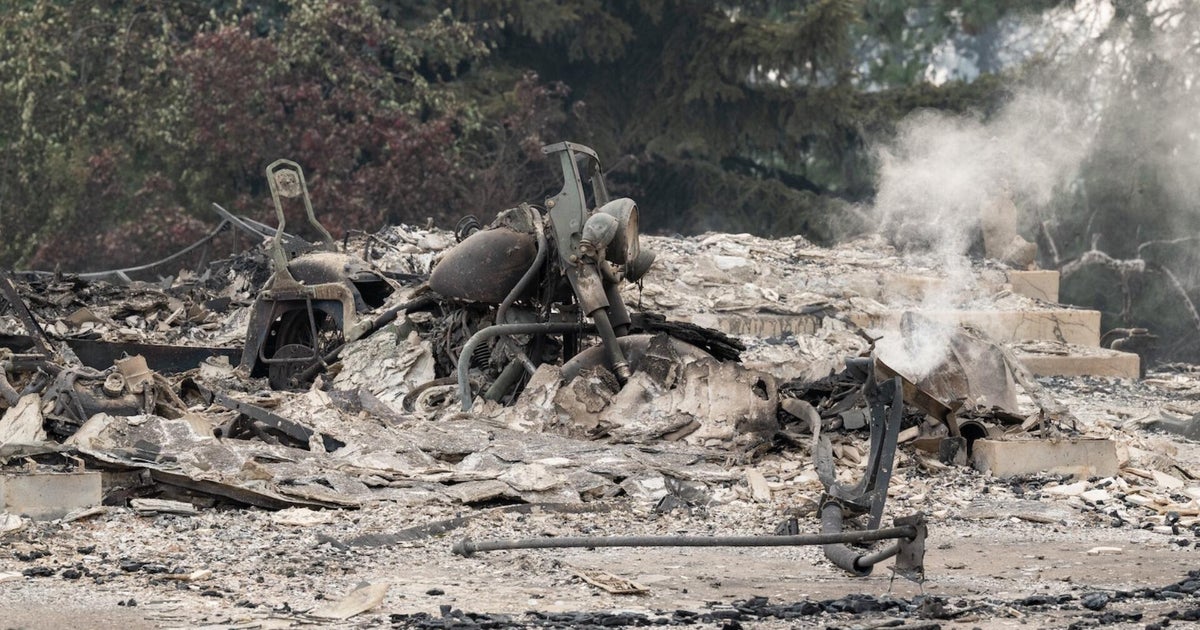
Fast-moving wildfires in the western United States have resulted in the destruction of hundreds of structures and forced thousands of residents to evacuate their homes. The full extent of the damage is still being assessed as firefighting efforts continue. The situation highlights the ongoing threat posed by wildfires in the region, exacerbated by dry conditions and high winds. In parallel, Acting Attorney General Todd Blanche has rescinded President Trump's "anti-weaponization fund." This decision comes as Mr. Blanche's nomination is reportedly on the line, suggesting a potential shift in strategy or political maneuvering. The implications of this rescission and its impact on future actions are yet to be fully understood. These events, alongside other significant news, are covered in today's "Eye Opener."
The recurring pattern of destructive wildfires in the western U.S. underscores the escalating challenge of climate change and land management. The need for robust, long-term strategies that integrate climate resilience, community preparedness, and infrastructure adaptation is becoming increasingly critical. Simultaneously, the political development involving the "anti-weaponization fund" suggests a complex interplay between legal processes, political appointments, and public trust. The rescission, particularly if tied to a nomination, prompts reflection on the governance of public funds and the potential for policy shifts based on political expediency versus established objectives. Examining these events through the lens of systemic risk and institutional accountability reveals opportunities for improved policy frameworks and more resilient public administration in the face of environmental and political volatility.
AI-generated to prompt reflection — not editorial opinion, not advice, not a statement of fact. How this works.
