WFP Faces Deeper Aid Cuts in Gaza Amid Donor Fatigue
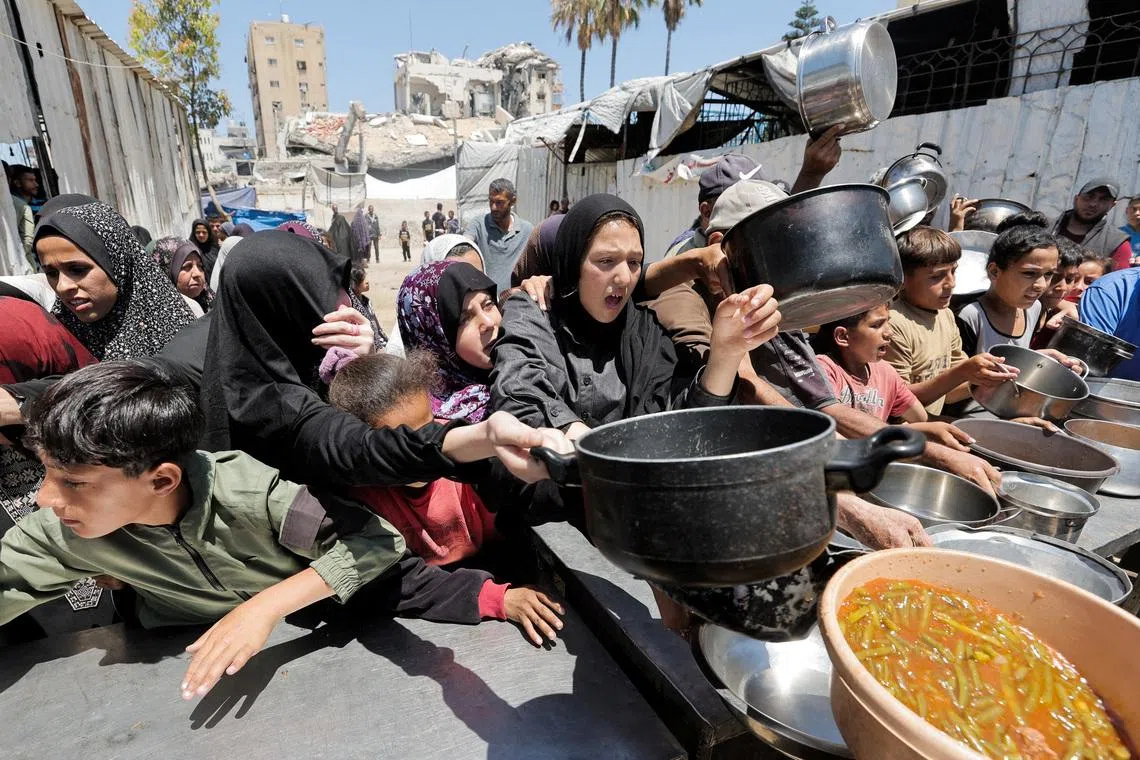
The United Nations World Food Programme (WFP) has issued a stark warning regarding its ability to continue providing essential aid in Gaza. The organization announced on Friday, July 24, that it will be forced to implement more significant cuts to its assistance programs. This comes as the WFP currently supports a substantial 70% of the Gaza population. The primary driver behind these impending reductions is a growing "donor fatigue" among contributing nations, leading to a shortfall in necessary funding. Without securing additional financial resources, the WFP's capacity to deliver food and other vital supplies to the vulnerable population in Gaza will be severely compromised. The situation highlights the precarious state of humanitarian aid in the region and the challenges faced by international organizations in maintaining consistent support.
The WFP's warning underscores the systemic challenges in sustaining long-term humanitarian operations, particularly in protracted conflict zones. Donor fatigue reflects a complex interplay of competing global crises, economic pressures on contributing nations, and the sustainability of aid dependency models. Future funding mechanisms may need to explore innovative financial instruments or public-private partnerships to ensure more predictable and robust support, moving beyond traditional governmental contributions. This situation also raises questions about the international community's long-term commitment to addressing the root causes of humanitarian needs in Gaza, rather than solely focusing on immediate relief, which may prove increasingly unsustainable.
AI-generated to prompt reflection — not editorial opinion, not advice, not a statement of fact. How this works.