Whale watching season begins in Fernando de Noronha with humpback sightings
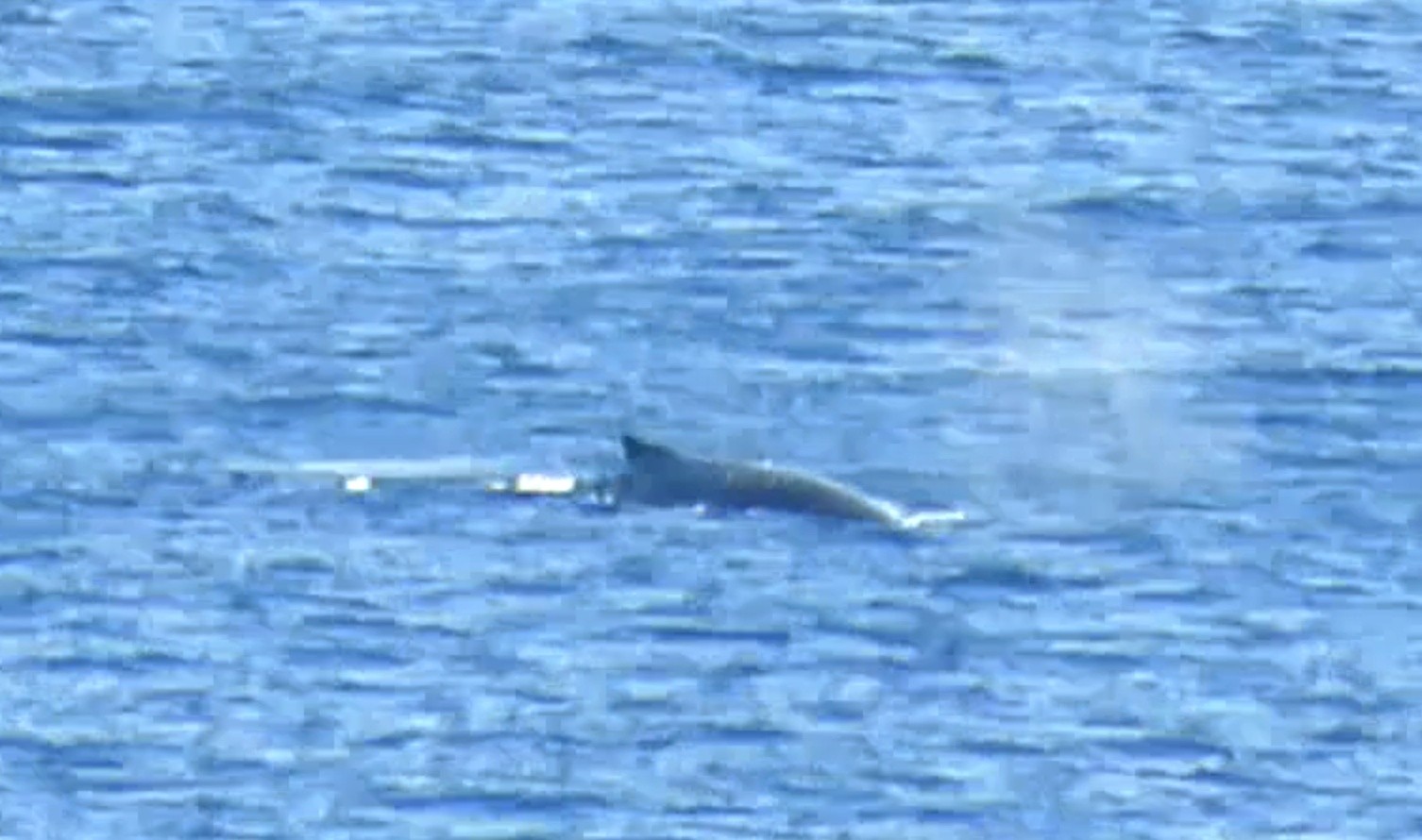
The whale watching season has officially commenced in Fernando de Noronha, Brazil, with the recent sighting of two humpback whales near Ponta da Sapata on Monday, July 13th. Researchers from the Rotador Dolphin Project, including Claudio André Vieira Crespo da Silva, documented the whales during their regular monitoring activities. Biologist Priscila Medeiros confirmed this sighting marks the beginning of the season, noting that August typically sees a higher number of whale observations. Fernando de Noronha serves as a crucial migratory route for humpback whales, which travel to the islands to breed and calve before remaining in the surrounding waters for a period. The presence of these majestic creatures underscores the environmental significance of Fernando de Noronha as a vital area for cetacean reproduction and passage. In light of these sightings, researchers are reminding boat operators and visitors about strict regulations designed to protect the whales and dolphins. These rules are in place to prevent disturbance and ensure the safety of the marine life, with violations potentially leading to fines and equipment confiscation. Key regulations include maintaining a minimum distance of 100 meters from whales, limiting vessel speed to 5 knots within protected marine areas, and prohibiting loud noises or disruptive activities near the animals. The Rotador Dolphin Project has been actively involved in monitoring and conservation efforts for cetaceans in Fernando de Noronha since 1990, with support from Petrobras's Socio-Environmental Program.
The commencement of the humpback whale season in Fernando de Noronha highlights the ecological importance of the archipelago as a critical breeding and migratory ground for cetaceans. This natural phenomenon, while a boon for ecotourism and scientific research, necessitates stringent regulatory oversight to mitigate human impact. The established guidelines for vessel proximity and behavior reflect a growing understanding of the delicate balance required to protect marine megafauna. As global shipping and tourism intensify, the long-term sustainability of such migratory routes will depend on robust enforcement of these protective measures and potentially adaptive management strategies informed by ongoing research. The integration of conservation efforts with support from entities like Petrobras demonstrates a multi-stakeholder approach, crucial for addressing the complex challenges of marine ecosystem preservation in the face of increasing anthropogenic pressures over the next decade.
AI-generated to prompt reflection — not editorial opinion, not advice, not a statement of fact. How this works.