Whale watching season boosts Santa Catarina's coastal economy
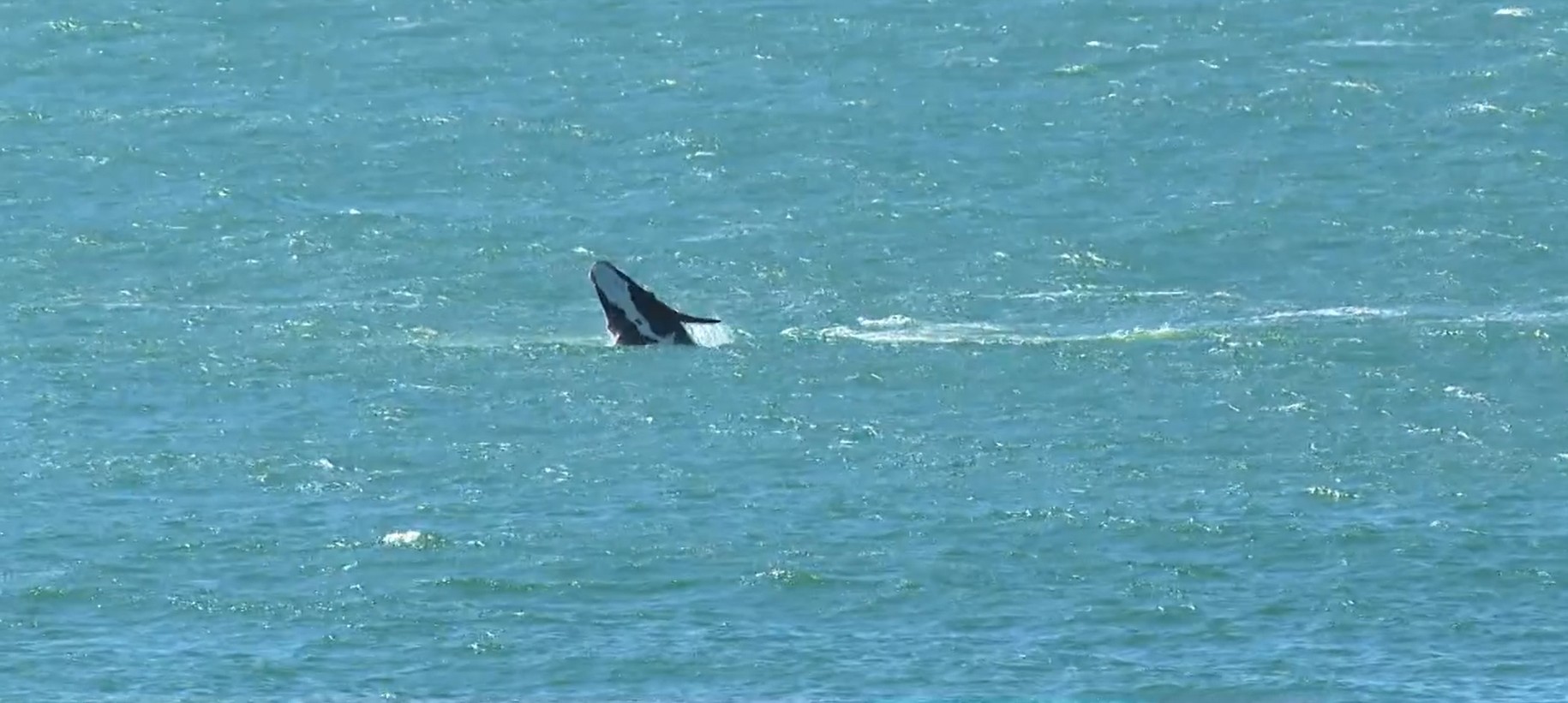
The southern Brazilian state of Santa Catarina is experiencing a significant economic boost from its annual southern right whale watching season. Coastal towns, particularly Paulo Lopes, are attracting tourists eager to witness these marine mammals. Local businesses, including shops and hotels, report substantial increases in activity and revenue. Merchants like Tânia Abreu Leal highlight the financial relief and joy the whales bring, while Victor Hugo Rodrigues da Silva notes a surge in visitors from across Brazil and even internationally, all drawn by the allure of whale sightings. Sandro Svaldi, a guesthouse owner, stated that the whale season impacts his business by 100%, filling all his accommodations. Although official economic impact data is still pending, Leonara Rodrigues Sebastião, the municipal secretary of Culture, Tourism, and Economic Development in Paulo Lopes, confirmed the positive influence on nature tourism and related sectors. Specific attractions, such as the Dunas and Pedra do Faísca trail leading to Praia da Guarda do Embaú, are popular whale-watching spots during the season, which runs from July to November. The stretch between Paulo Lopes and Garopaba, especially near Guarda do Embaú and Gamboa, is a prime location for tourists and photographers. The return of southern right whales to the Santa Catarina coast is attributed to decades of conservation efforts, including the establishment of the Baleia Franca Environmental Protection Area, which safeguards crucial calving grounds. Eduardo Renault Braga, coordinator at the Australis Institute, estimates an annual population growth of around 4.8%, with females giving birth approximately every three years. Biologist Karina Groch from the Australis Institute explains that whales migrate to warmer tropical waters between July and September for mating and reproduction.
The economic benefits derived from the southern right whale watching season in Santa Catarina demonstrate the tangible value of robust environmental conservation policies. The success of the Baleia Franca Environmental Protection Area in fostering whale population growth directly translates into a thriving ecotourism industry. This symbiotic relationship highlights how preserving natural habitats can create sustainable economic opportunities, attracting visitors and supporting local commerce. Looking ahead, the long-term viability of this tourism model depends on continued ecological stewardship and the management of visitor impact to ensure the whales' habitat remains protected for future generations and the economic benefits persist.
AI-generated to prompt reflection — not editorial opinion, not advice, not a statement of fact. How this works.