What Determines Diamond Prices?
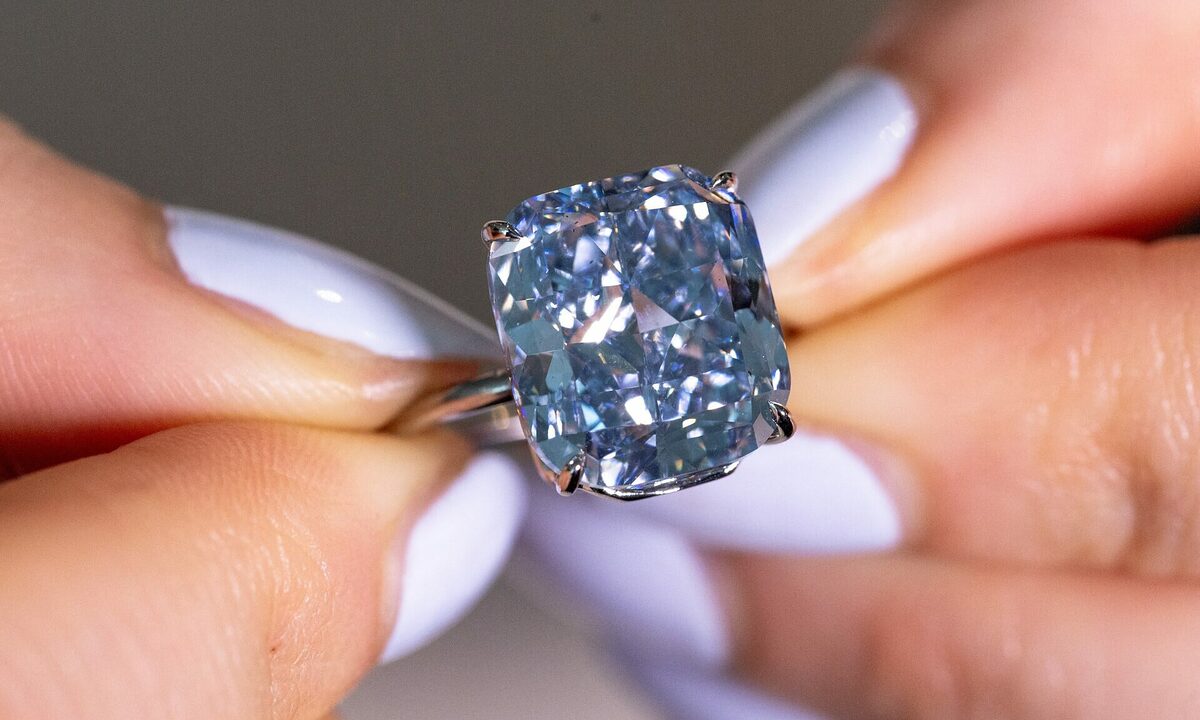
The value of diamonds is determined by several key factors, even when they have the same weight. These factors include the diamond's purity, its color, and the way it has been cut. These characteristics collectively influence the final price of a diamond, leading to significant variations between stones that might otherwise appear similar. Understanding these elements is crucial for anyone involved in the diamond market, from consumers to industry professionals. The interplay of these quality attributes creates a complex pricing structure. Each factor plays a distinct role in assessing a diamond's overall worth and appeal. Therefore, two diamonds of identical weight can command vastly different prices based on these intrinsic qualities. This nuanced approach to valuation ensures that the market reflects the unique characteristics of each individual gem.
The pricing of diamonds is governed by a multi-faceted quality assessment system, often referred to as the '4 Cs' (carat, cut, color, and clarity). This framework, while established, can be subject to market dynamics and supply chain influences. The inherent scarcity and perceived value of diamonds contribute to their price, but the specific grading of each stone creates a wide spectrum of market values. Understanding the interplay between these technical grading factors and broader economic forces is key to grasping diamond valuation. Future market trends may see increased emphasis on ethical sourcing and laboratory-grown diamonds, potentially reshaping traditional pricing models and consumer perceptions.
AI-generated to prompt reflection — not editorial opinion, not advice, not a statement of fact. How this works.