What Do High-Angle Rescue Teams Do in the Fire Department?
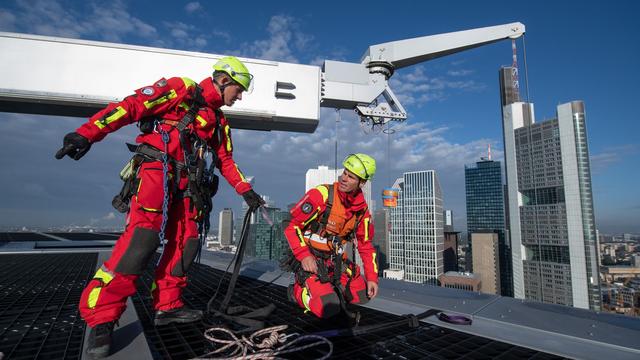
High-angle rescue teams within fire departments are specialized units trained to handle emergencies in difficult-to-reach locations. These situations often involve heights, such as working on tall buildings, bridges, or cliffs, but can also include confined spaces or other technically challenging environments. Their primary role is to safely access, treat, and extricate individuals who are trapped, injured, or otherwise in danger in these precarious settings.
The training for these rescuers is extensive and covers a wide range of skills. This includes advanced rope techniques for ascending, descending, and moving personnel and equipment. They must also be proficient in first aid and emergency medical care, as victims may be injured and require immediate attention before being moved. Furthermore, high-angle rescue teams are equipped with specialized gear, including harnesses, ropes, pulleys, and protective clothing, to ensure their own safety and the safety of those they are rescuing. They often work in conjunction with other emergency services and require meticulous planning and coordination for each operation.
The specialized nature of high-angle rescue teams highlights the evolving demands on emergency services in increasingly complex urban and natural environments. As infrastructure grows taller and recreational activities in challenging terrains become more common, the need for such technical expertise is likely to increase. This specialization reflects a broader trend in public safety towards niche skill sets addressing specific risks, requiring continuous investment in training and equipment to maintain operational readiness. The effectiveness of these teams underscores the importance of strategic resource allocation within fire departments to meet diverse and emergent public safety needs.
AI-generated to prompt reflection — not editorial opinion, not advice, not a statement of fact. How this works.