What Happens If You Don't Put Your Phone on Airplane Mode During a Flight?
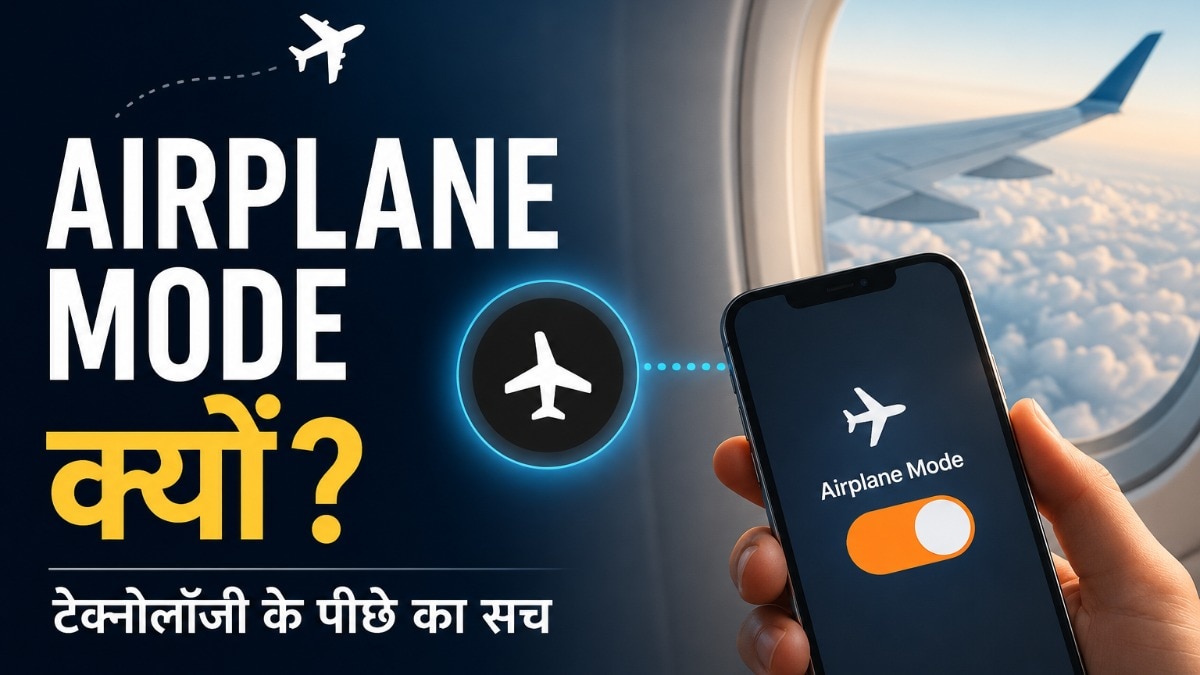
Airlines instruct passengers to turn off their phones or switch them to airplane mode before takeoff. This announcement is a standard procedure made by cabin crew and through various announcements. The article aims to explain how and what the airplane mode feature on smartphones does. Airplane mode is a setting that disables all wireless communication functions of a device, such as cellular data, Wi-Fi, Bluetooth, and GPS. When activated, it prevents the phone from sending or receiving signals that could potentially interfere with the aircraft's navigation and communication systems. While modern aircraft are designed to withstand minor electronic interference, the strict enforcement of airplane mode is a precautionary measure to ensure flight safety. This measure helps maintain the integrity of the sensitive electronic equipment on board, which is crucial for pilots to operate the aircraft safely and efficiently. The practice is a globally recognized safety protocol in aviation.
The standard procedure of requiring passengers to switch phones to airplane mode highlights the aviation industry's emphasis on mitigating potential electronic interference with critical flight systems. While advancements in technology have increased the resilience of aircraft electronics, the continued enforcement of this rule reflects a conservative approach to safety, prioritizing the prevention of even remote risks. This practice underscores the systemic importance of maintaining signal integrity in safety-critical environments and serves as a reminder of the layered security protocols inherent in modern aviation. The long-term consideration involves balancing passenger convenience with the absolute requirement for flight safety, a dynamic that will likely continue to evolve with technological progress and regulatory oversight.
AI-generated to prompt reflection — not editorial opinion, not advice, not a statement of fact. How this works.