What is Enriched Uranium in the US-Saudi Nuclear Deal?
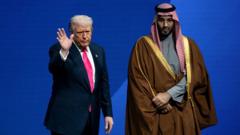
Saudi Arabia has reportedly secured a rare concession from the United States, allowing the Kingdom to enrich uranium within its own borders. This development stems from a recently concluded nuclear cooperation agreement between the two nations. The agreement signifies a significant step in Saudi Arabia's nuclear ambitions and its relationship with the U.S. on atomic energy matters. Details regarding the specific terms of the enrichment process and the intended use of the enriched uranium have not been fully disclosed. However, the authorization for domestic enrichment marks a departure from previous arrangements where such activities were typically restricted or conducted under stricter international oversight. The implications of this concession are being closely watched by international observers, particularly concerning nuclear non-proliferation and regional security dynamics. The U.S. has historically maintained a cautious approach to nuclear technology proliferation, making this approval noteworthy. Further information is expected as the implementation of the agreement progresses.
The U.S. authorization for Saudi Arabia to enrich uranium domestically within the framework of a new nuclear deal represents a complex geopolitical maneuver. This concession, while potentially facilitating Saudi Arabia's civilian nuclear program, introduces new considerations for global non-proliferation regimes. The incentive structure for Saudi Arabia likely involves securing energy independence and technological advancement, while the U.S. may be balancing these interests against strategic partnerships and regional stability. The long-term implications will depend on the robustness of verification mechanisms and adherence to international safeguards, particularly in a region with existing geopolitical tensions. Future governance models for nuclear technology sharing will need to address the evolving energy needs and strategic aspirations of nations while mitigating proliferation risks in an increasingly complex global landscape.
AI-generated to prompt reflection — not editorial opinion, not advice, not a statement of fact. How this works.