What is Purified Uranium in the US-Saudi Nuclear Deal?
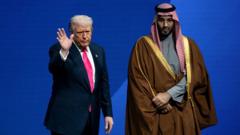
Saudi Arabia has reportedly received a rare approval from the United States to purify uranium within its own territory. This development is a consequence of a recently signed nuclear cooperation agreement between the two nations. The agreement allows Saudi Arabia to engage in uranium enrichment activities, a significant step in its nuclear program. Previously, such permissions were not commonly granted, making this a notable exception. The details of the deal suggest a broader scope of cooperation in the nuclear field between the US and Saudi Arabia. This move could have implications for regional nuclear proliferation and energy security. Further details on the specific terms and limitations of this uranium purification process are expected to emerge.
The US-Saudi nuclear agreement, which includes provisions for uranium purification, signifies a complex interplay of energy security, geopolitical influence, and non-proliferation concerns. Granting Saudi Arabia the capability to enrich uranium, even under agreed-upon safeguards, presents a delicate balance. The incentive for Saudi Arabia is to develop its domestic energy resources and potentially advance its technological capabilities. However, this move also raises questions about regional arms races and the robustness of international non-proliferation regimes. Future developments will hinge on the transparency of Saudi Arabia's nuclear activities and the effectiveness of the International Atomic Energy Agency's (IAEA) oversight mechanisms. The long-term implications will depend on how this capability is managed within the broader context of Middle Eastern stability and global nuclear governance.
AI-generated to prompt reflection — not editorial opinion, not advice, not a statement of fact. How this works.
