What is the FIBE Sheet and How is it Used in Emergencies?
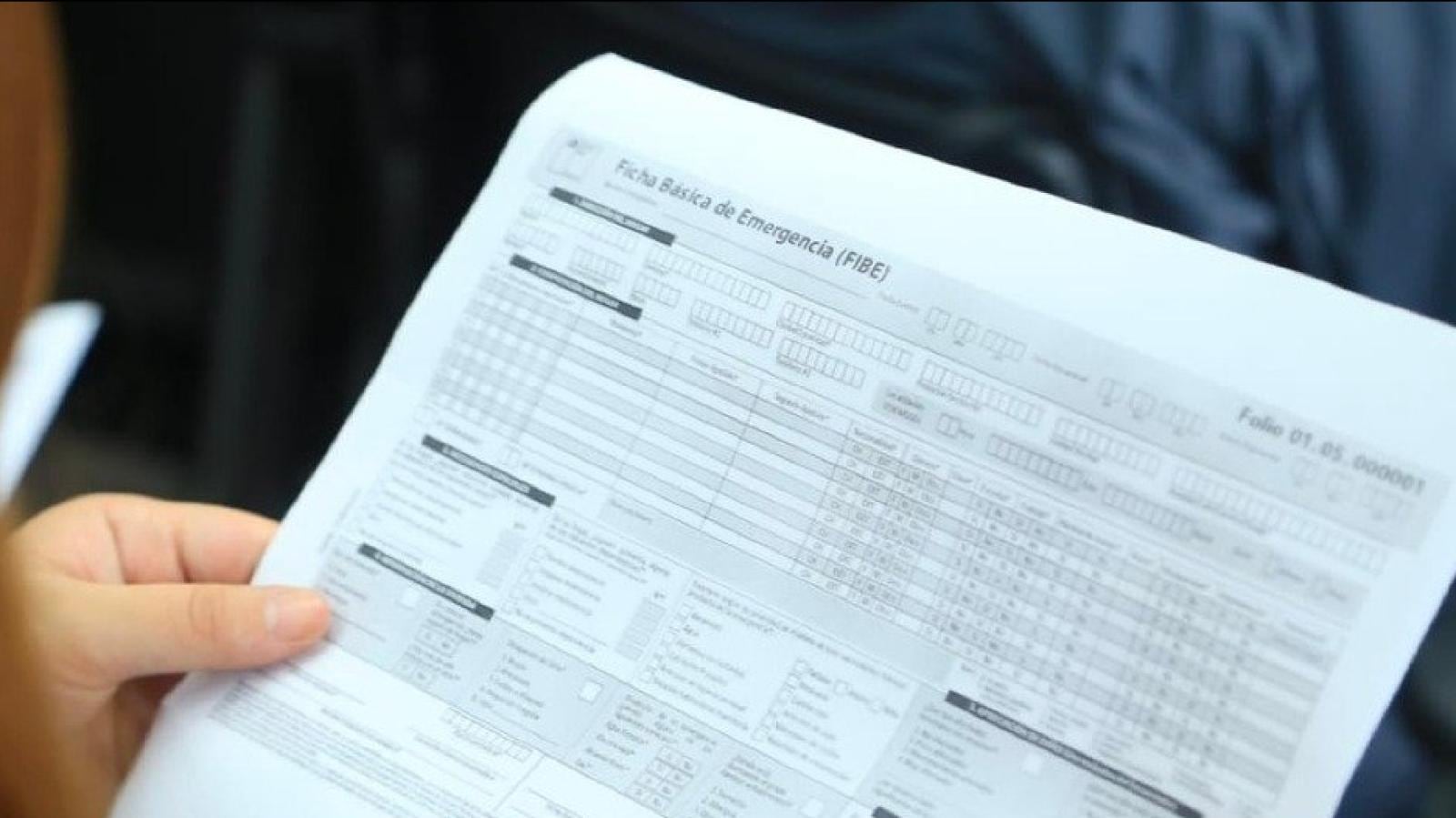
The FIBE Sheet, developed by Chile's Ministry of Social Development and Family, is a crucial tool designed to identify families impacted by extreme events. Its primary purpose is to systematically gather information about households affected by natural disasters or other emergencies. This data collection enables authorities to understand the specific needs of each affected family. The information collected through the FIBE Sheet is essential for coordinating aid and support services effectively. It helps in prioritizing assistance to those most vulnerable and in need. The application of the FIBE Sheet begins immediately after an extreme event occurs. Social workers and trained personnel are deployed to affected areas to administer the survey. They collect details about the family's composition, living conditions, and the extent of damage to their homes and belongings. This comprehensive data allows for a tailored response, ensuring that resources are allocated efficiently and equitably. Ultimately, the FIBE Sheet serves as a foundational element for disaster response and recovery efforts in Chile, ensuring that no affected family is overlooked.
The FIBE Sheet represents a governmental effort to systematize emergency response by creating a data-driven framework for needs assessment. Its effectiveness hinges on timely deployment and accurate data capture, which are critical for equitable resource allocation and efficient aid delivery. In the context of increasing climate-related extreme events, such instruments are vital for building societal resilience. Future iterations could explore integration with real-time geospatial data and predictive analytics to further optimize response times and resource deployment, ensuring a more proactive and adaptive disaster management system.
AI-generated to prompt reflection — not editorial opinion, not advice, not a statement of fact. How this works.