What Kind of Eel is Eaten on 'Doyo no Ushi' Day? Key Points Before You Eat
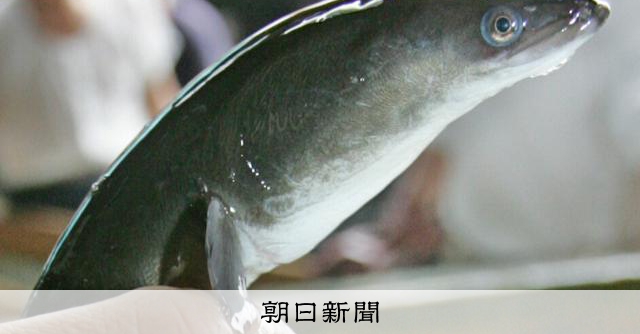
The Japanese tradition of eating eel on 'Doyo no Ushi' (the Day of the Ox during the hottest period of summer) is deeply ingrained, but many consumers may not know the specific type of eel typically consumed. This practice, often linked to boosting stamina during the summer heat, has evolved over time. Historically, different species of eel might have been more prevalent or accessible. Understanding the origin and type of eel consumed is important for consumers interested in the sustainability and provenance of their food. This knowledge can also shed light on the aquaculture and fishing practices involved in supplying eels to the market. Consumers are encouraged to be aware of the details surrounding the eel they purchase and consume, especially given the potential for overfishing and environmental concerns related to eel populations. The tradition itself is a significant cultural event, marking a specific time in the Japanese calendar for a particular culinary practice.
The 'Doyo no Ushi' tradition highlights the intersection of cultural practices and food supply chains. While the custom aims to provide nutritional benefits during summer, it raises questions about the sustainability of eel populations and the sourcing methods employed. The demand generated by this tradition can exert significant pressure on wild eel stocks and may necessitate careful management of aquaculture to prevent ecological imbalances. Consumers' awareness of the specific eel species and their origins is crucial for driving responsible consumption patterns and supporting sustainable fisheries. Future considerations should include exploring alternative, more sustainable protein sources or innovative aquaculture techniques to preserve both cultural traditions and environmental health.
AI-generated to prompt reflection — not editorial opinion, not advice, not a statement of fact. How this works.