What Problems Would Arise If the Earth Were Flat?
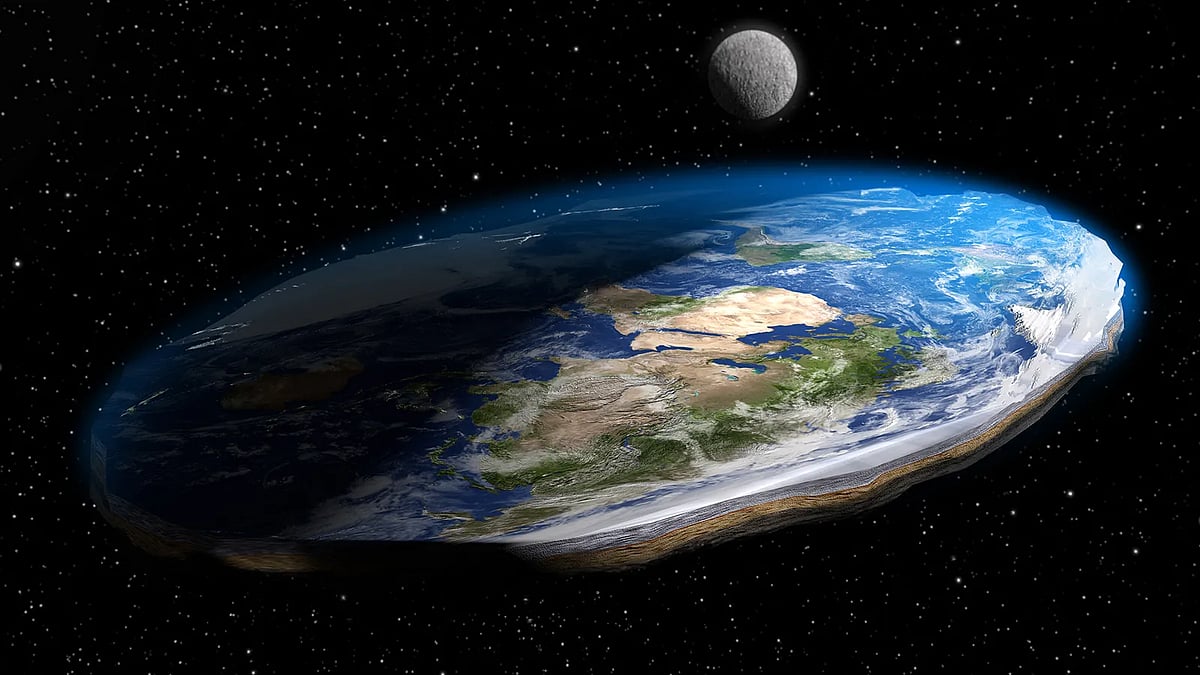
Despite centuries of scientific evidence, a segment of people known as 'Flat Earthers' continue to assert that the Earth is flat. These individuals often express their beliefs online, challenging the widely accepted understanding of our planet's spherical shape. Their claims persist despite numerous proofs presented by scientists over millennia. The Flat Earth movement questions established scientific consensus, promoting an alternative view of cosmology. This perspective stands in direct opposition to overwhelming empirical data and theoretical frameworks developed in astronomy and physics. The persistence of such beliefs highlights a broader societal challenge in science communication and education, where complex scientific concepts must be effectively conveyed to a diverse public.
The persistence of Flat Earth beliefs, despite overwhelming scientific consensus, points to a complex interplay of factors including distrust in established institutions, the appeal of alternative narratives, and the influence of online echo chambers. This phenomenon underscores the ongoing challenge of scientific literacy and the need for robust science communication strategies that can effectively counter misinformation. From a systems perspective, the internet's architecture can inadvertently amplify fringe viewpoints, creating a disconnect between scientific understanding and public perception. Addressing this requires not only reinforcing scientific evidence but also understanding and mitigating the psychological and social drivers behind belief in unsubstantiated claims, particularly as AI-driven content generation becomes more prevalent.
AI-generated to prompt reflection — not editorial opinion, not advice, not a statement of fact. How this works.