What Saudi Arabia Recognizing Israel Would Mean
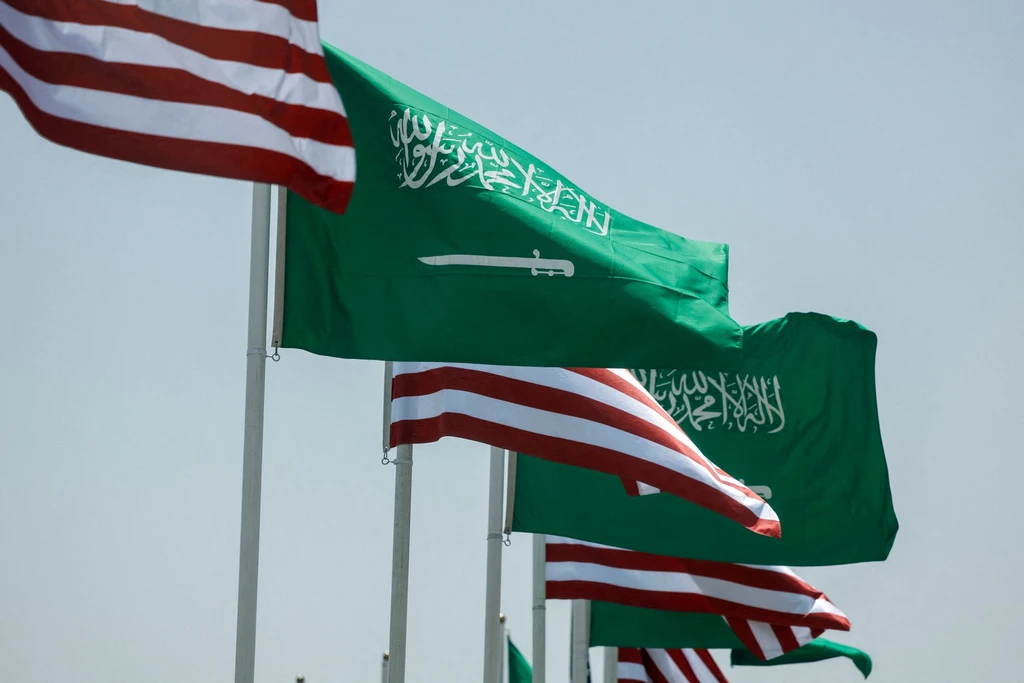
The new US-Saudi nuclear deal has brought the Abraham Accords back into focus. Washington is seeking a normalization of relations between Saudi Arabia and Israel, a move that would have significant geopolitical implications for the Middle East. However, Riyadh is reportedly hesitant due to several factors, including the ongoing Israeli-Palestinian conflict and the terms of the potential nuclear agreement with the United States.
The US is pushing for this normalization as part of a broader regional security framework. The Abraham Accords, brokered by the Trump administration, previously saw several Arab nations establish ties with Israel. The current administration aims to build upon this by including Saudi Arabia, a key player in the Arab world. The potential benefits include enhanced regional stability and economic cooperation. However, the Palestinian issue remains a major sticking point, with demands for concessions from Israel regarding Palestinian statehood and rights.
Saudi Arabia's resistance is multifaceted. Beyond the Palestinian question, the kingdom is reportedly seeking robust security guarantees and civilian nuclear technology from the US in exchange for normalization. The specifics of the nuclear deal itself, including the extent of uranium enrichment capabilities the US is willing to permit, are also a point of contention. The outcome of these negotiations will significantly shape the future of Middle Eastern diplomacy and security.
The potential normalization between Saudi Arabia and Israel, spurred by US diplomatic efforts and a new nuclear agreement, represents a significant shift in regional dynamics. This development highlights the complex interplay of geopolitical interests, security concerns, and long-standing conflicts in the Middle East. The US's strategic objective appears to be the creation of a more unified regional bloc against shared adversaries, leveraging economic and security incentives. However, the inherent tension between advancing normalization and addressing the Palestinian issue underscores a persistent challenge. The outcome will depend on the ability to balance the immediate security and economic aspirations of key states with the need for a sustainable resolution to the Israeli-Palestinian conflict, a factor that continues to influence regional stability and influence external powers' engagement.
AI-generated to prompt reflection — not editorial opinion, not advice, not a statement of fact. How this works.