What to Do If a Child Drowns
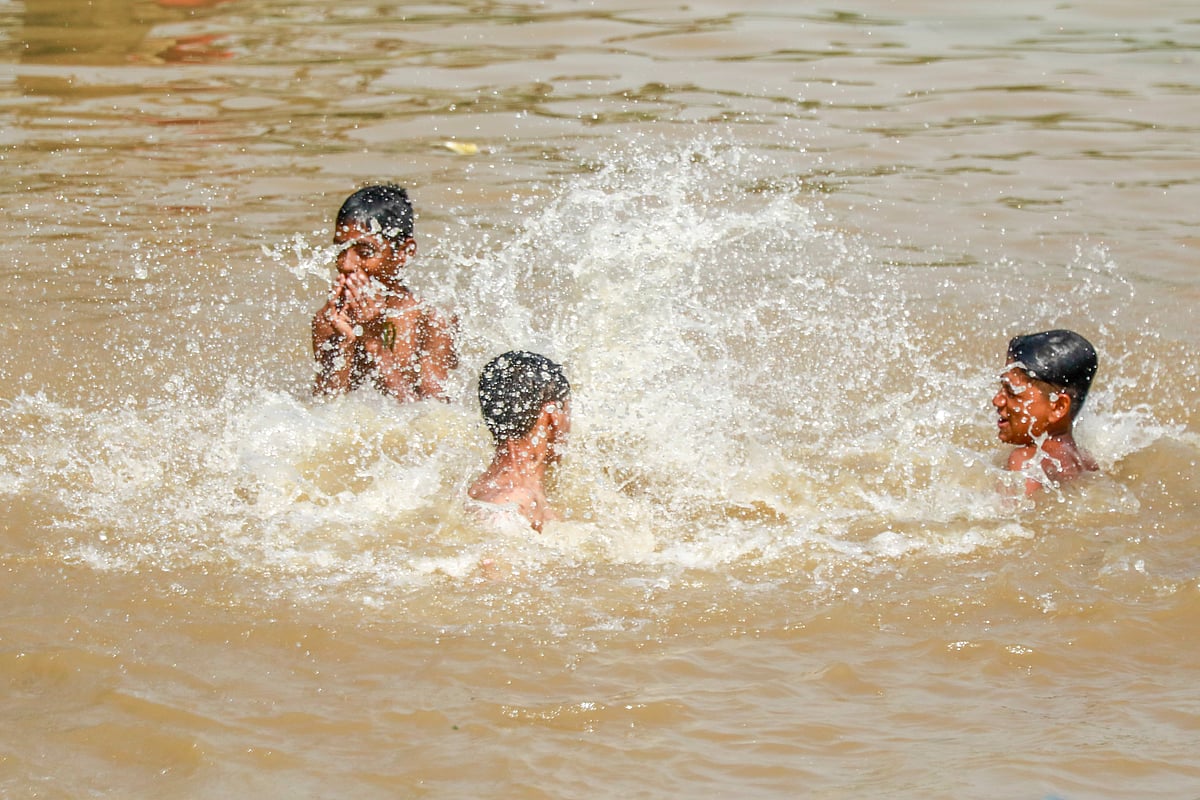
According to UNICEF, 16 children drown worldwide every hour. Drowning can occur even in very shallow water. This highlights the critical importance of water safety measures and immediate response protocols when a child is at risk of drowning. Parents and caregivers need to be aware of the dangers associated with water, regardless of depth. Prompt and correct action can significantly increase a child's chances of survival in such emergencies. Educational initiatives focusing on water safety and basic life support are crucial in preventing these tragic incidents. The statistics underscore a global public health challenge that requires continuous attention and preventative strategies.
The alarming rate of child drownings, with 16 children per hour globally according to UNICEF, points to a pervasive public health crisis. This issue transcends geographical boundaries and socioeconomic factors, indicating a need for systemic interventions in water safety education and environmental hazard mitigation. The fact that drowning can occur in shallow water emphasizes that awareness and vigilance are paramount, rather than solely relying on the presence of deep bodies of water. Future strategies should integrate accessible, community-based water safety programs and potentially leverage technology for early warning systems around water bodies. Addressing this challenge requires a multi-faceted approach involving governmental bodies, NGOs, and local communities to foster a culture of water safety and reduce preventable child mortality.
AI-generated to prompt reflection — not editorial opinion, not advice, not a statement of fact. How this works.