What was Muzaffar's role in Zia's assassination?
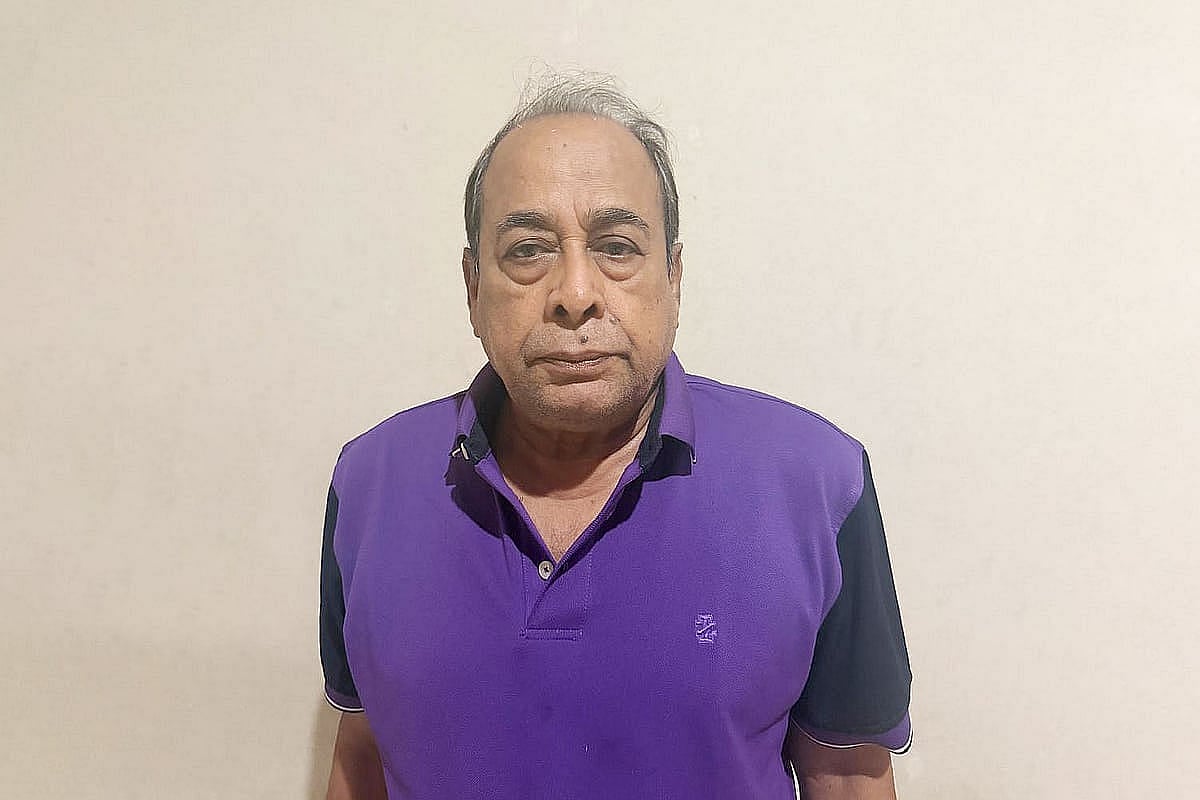
The question of Major General (retd.) Moinul Hossain Chowdhury's involvement in the assassination of former President Ziaur Rahman remains a subject of discussion. Chowdhury, who was the Director General of the National Security Intelligence (NSI) at the time of Zia's death on May 30, 1981, has been implicated in various accounts of the event. His role has been scrutinized in relation to the circumstances surrounding Zia's killing in Chittagong. The assassination took place during a military coup attempt. Many believe that the NSI, under Chowdhury's leadership, possessed crucial information that could have prevented the assassination. However, the extent of his knowledge and actions, or inactions, during the critical period leading up to and during the assassination are not fully clarified. The political climate of Bangladesh during that era was highly volatile, with significant internal power struggles. The investigation into Zia's death and the roles of various individuals, including intelligence officials, has been a complex and often controversial process. The precise extent of Major General Chowdhury's complicity or foreknowledge continues to be debated by historians and political analysts.
The assassination of a head of state often triggers investigations into the roles of intelligence agencies and their leadership. Examining the actions and information held by entities like the NSI during such critical events is essential for understanding governance failures and preventing future security breaches. The debate surrounding Major General Chowdhury's involvement highlights the challenges in establishing accountability within complex political and military structures, particularly when historical records may be incomplete or contested. Understanding the incentive structures and decision-making processes within intelligence services during periods of political instability is crucial for assessing their effectiveness and potential for reform.
AI-generated to prompt reflection — not editorial opinion, not advice, not a statement of fact. How this works.