Wheelchair Quadrille Group in Belo Horizonte Champions Inclusion Through Dance
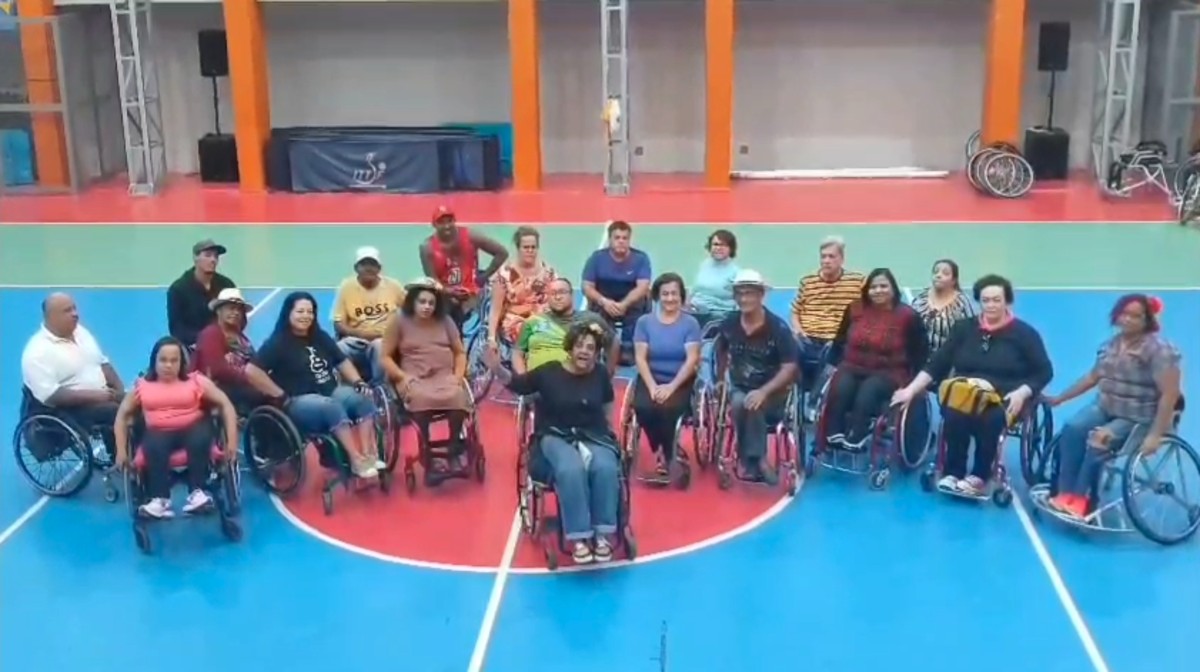
A unique dance group, known as the 'Quadrilha em cadeira de rodas' (Wheelchair Quadrille), is set to perform in Belo Horizonte, Brazil, as part of an accessible Arraiá (June festival). This group is the first quadrille troupe in Minas Gerais composed entirely of individuals with paraplegia. Rosana Bastos, the coordinator of the quadrille and organizer of the Arraiá Acessível, stated that the group, which resumed activities in 2025, utilizes popular culture to promote the inclusion and sense of belonging for people with disabilities. The dancers practice traditional quadrille steps, including spins and following the 'caminho da roça' (path of the countryside), demonstrating that these traditions can be enjoyed from a seated position. The performances will take place at the AMA headquarters in the Santas Efigênia neighborhood, with free admission for the public. The group boasts a history of over 15 years, originally forming within the Associação Mineira de Paraplégicos. After a five-year hiatus, they re-established themselves last year under the AMA, bringing together individuals with paraplegia who are athletes, former athletes, and enthusiasts of June festival traditions. Bastos emphasized that this initiative asserts the right of people with disabilities to participate in traditional Mineiro cultural spaces, fostering a sense of representation and cultural ownership. The group has previously participated in the Arraial de Belô, a major June festival in the state, and is scheduled to perform again on July 24th.
This initiative highlights the critical need for accessible cultural participation, demonstrating how traditional events can be adapted to be inclusive. The 'Quadrilha em cadeira de rodas' challenges conventional perceptions of dance and cultural engagement, underscoring that participation, rather than physical ability, is the essence of tradition. From a systems perspective, such groups advocate for broader societal integration, pushing for environments that accommodate diverse needs. The longevity of the group, spanning over 15 years with a recent resurgence, suggests a persistent demand for inclusive cultural programming and a growing awareness of disability rights within traditional community settings. Future developments may see more formalized frameworks for accessible cultural events, driven by the success and visibility of such pioneering groups, potentially influencing public policy and event planning standards.
AI-generated to prompt reflection — not editorial opinion, not advice, not a statement of fact. How this works.