When Power Becomes a Family Business
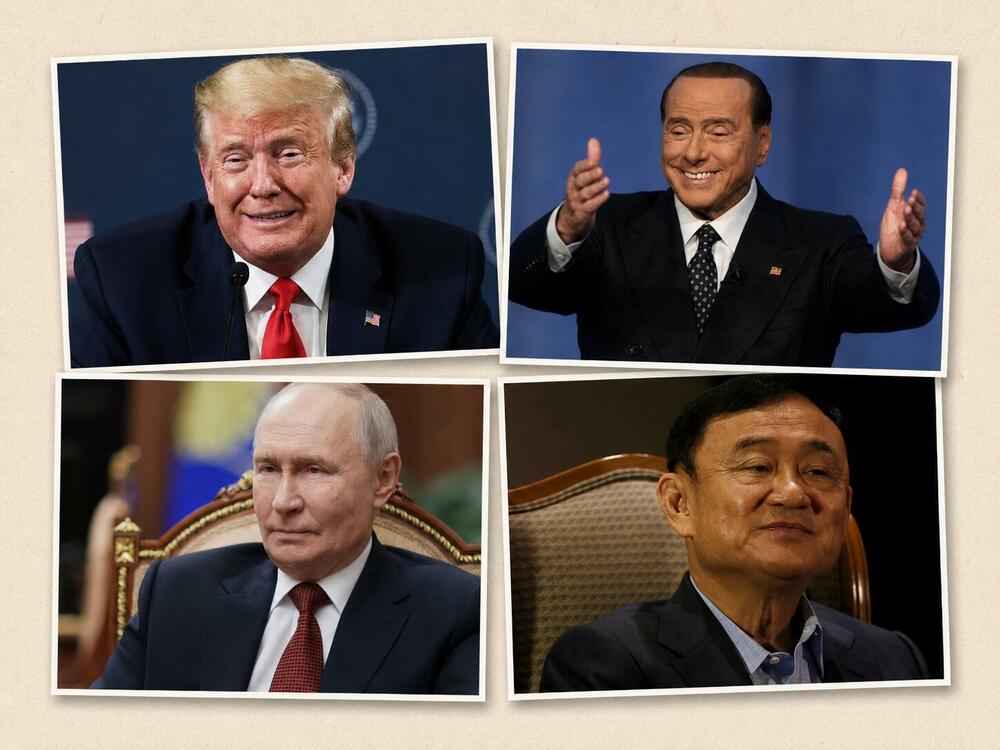
Experts assess that the extent of the U.S. President's enrichment during his term more closely resembles patterns seen in political dynasties and authoritarian leaders rather than the standards of Western democracies. This observation suggests a potential deviation from typical democratic norms regarding the financial dealings of elected officials. The comparison to political dynasties implies a concentration of power and wealth within families over generations. Similarly, the reference to authoritarian leaders points towards practices where personal gain may be prioritized over public service. These assessments raise questions about transparency and accountability in the financial activities of high-ranking political figures. The critique implies that such enrichment could undermine public trust and the principles of democratic governance. It suggests a need for closer scrutiny of the financial interests of presidents and their families. The current situation, as perceived by experts, may indicate a shift in the expected conduct of leaders in democratic societies.
The observation that a U.S. President's enrichment during his term mirrors political dynasties and authoritarian leaders, rather than Western democratic standards, highlights a potential tension between personal financial gain and public service. This dynamic prompts an examination of governance structures and transparency mechanisms designed to prevent conflicts of interest. In the context of evolving global political landscapes, understanding how wealth accumulation by leaders impacts institutional integrity and public trust is crucial. Future governance models may need to incorporate more robust oversight to safeguard democratic principles against the concentration of power and wealth within political families or through the leveraging of public office for private benefit. This scrutiny is vital for maintaining the legitimacy and effectiveness of democratic institutions in the coming decade.
AI-generated to prompt reflection — not editorial opinion, not advice, not a statement of fact. How this works.