When Saudi Princes Involved in Mecca Corruption Were Caught
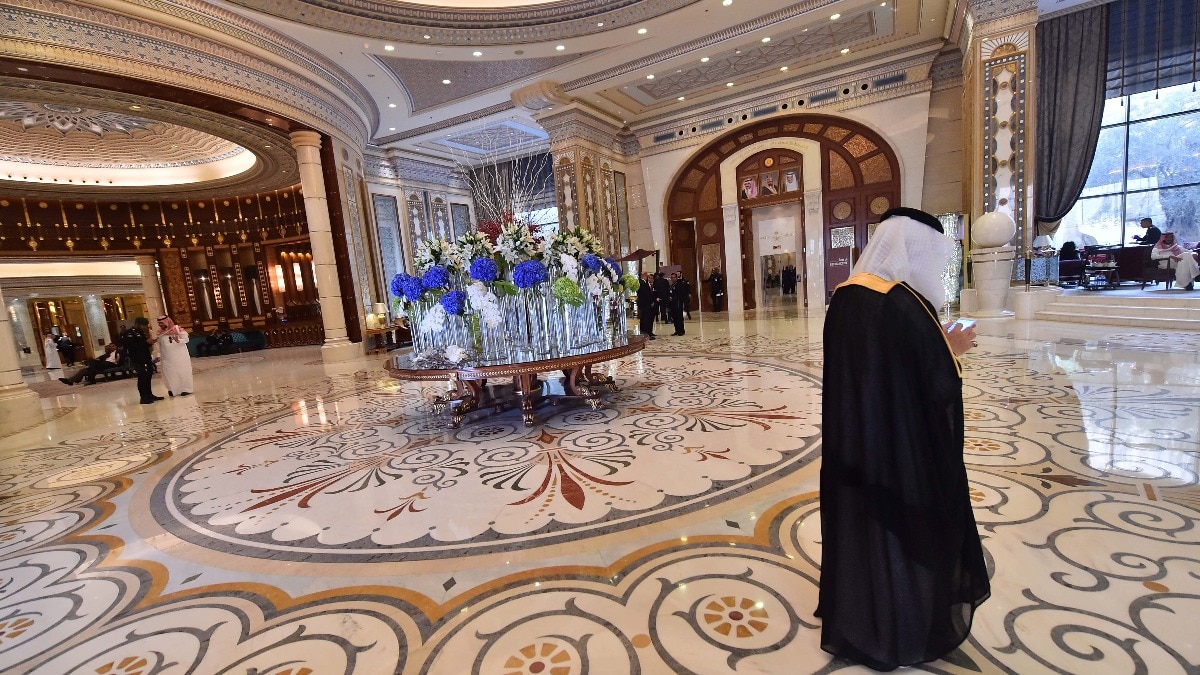
The issue of corruption and financial irregularities at sites of faith can shatter the trust of millions of devotees. Currently, the Ram Mandir in Ayodhya is in the spotlight due to allegations of donation theft and corruption, with an SIT investigation underway and arrests being made. This situation draws a parallel to a significant and historical action taken in Saudi Arabia following corruption in the Mecca Grand Mosque expansion project. However, there are notable differences in the responses to these two cases.
The handling of corruption allegations at religious sites, such as the Ram Mandir in Ayodhya and the Mecca Grand Mosque expansion, highlights the critical intersection of faith, public trust, and financial governance. While both cases involve significant sums and the potential erosion of devotee confidence, the differing responses reflect distinct institutional frameworks and priorities. Examining these cases through the lens of accountability mechanisms and transparency standards can offer insights into best practices for safeguarding religious institutions from financial malfeasance. Future-oriented considerations should focus on robust oversight structures that preempt such issues, ensuring that financial stewardship aligns with the spiritual mission of these revered places.
AI-generated to prompt reflection — not editorial opinion, not advice, not a statement of fact. How this works.