When Should Children Start Eating Fiber-Rich Foods?
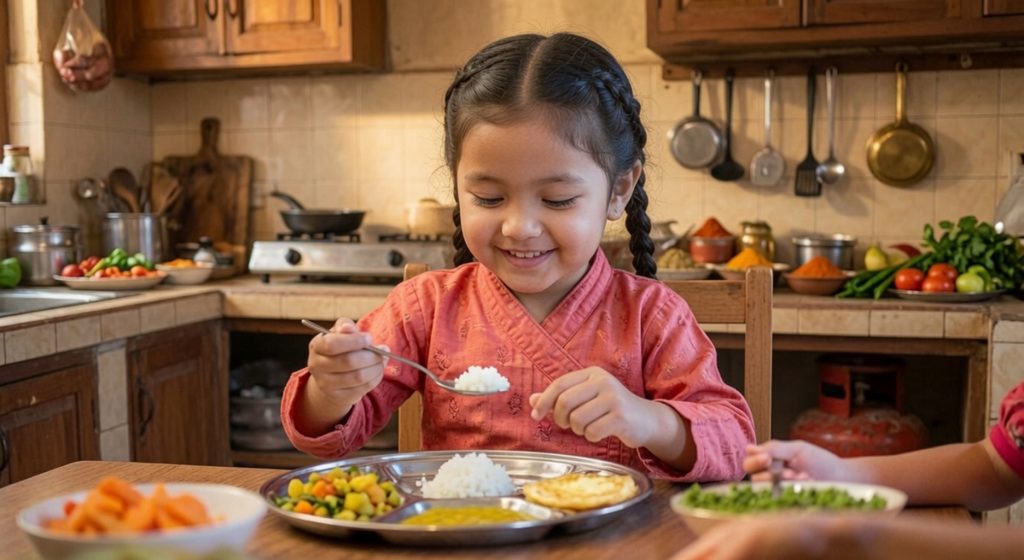
While parents often prioritize protein and other nutrients for their children's strength and health, the importance of dietary fiber is frequently overlooked. However, children also require fiber for essential bodily functions. Fiber plays a crucial role in improving digestion and preventing constipation. A lack of fiber in a child's diet can lead to issues such as irregular bowel movements and difficulty passing stools. Ensuring adequate fiber intake is vital for maintaining a child's digestive health and overall well-being. Introducing fiber-rich foods can help establish healthy eating habits from an early age. This can contribute to better nutrient absorption and a reduced risk of long-term health problems. Parents should consider incorporating various sources of fiber into their children's meals to support their growth and development.
The emphasis on protein and nutrients for children's health is well-established, yet the critical role of dietary fiber is often a secondary consideration for parents. This oversight can lead to preventable digestive issues in children, highlighting a gap in nutritional education. Promoting fiber intake from an early age is essential for establishing lifelong healthy digestion and preventing chronic conditions. Future public health initiatives could focus on educating caregivers about age-appropriate fiber sources and their benefits, thereby addressing a systemic deficiency in pediatric nutrition guidance. This proactive approach can mitigate future health burdens associated with poor digestive health.
AI-generated to prompt reflection — not editorial opinion, not advice, not a statement of fact. How this works.