When Spider Bites Become Dangerous: Symptoms and Prevention
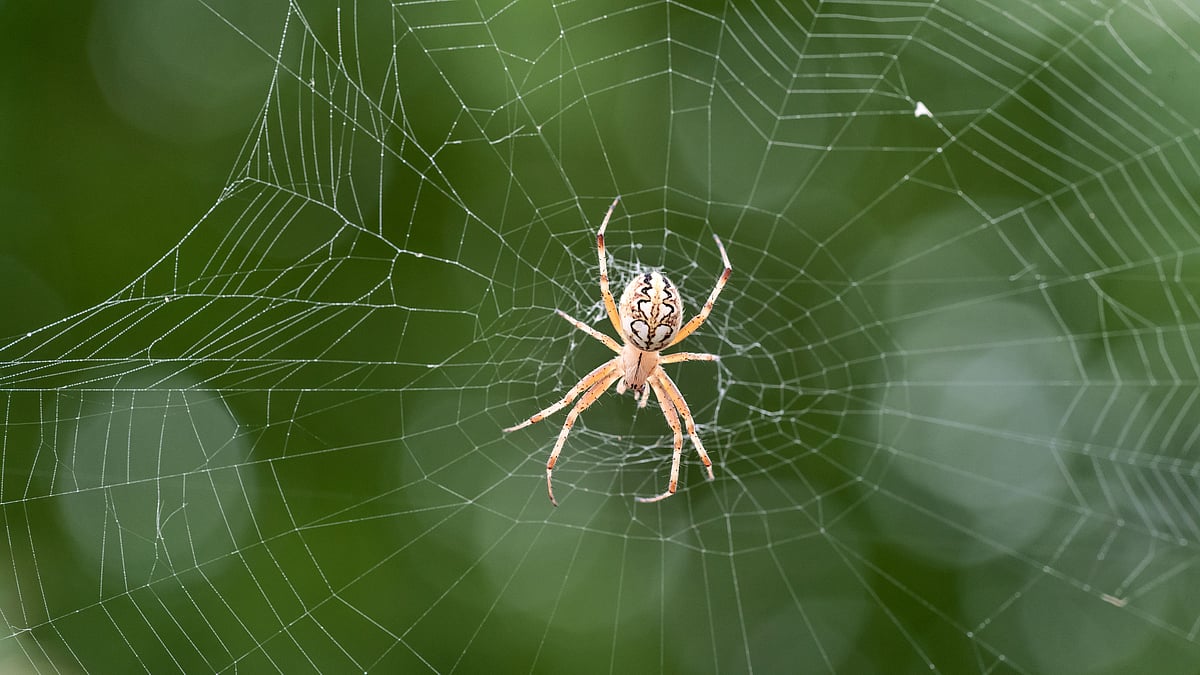
While most spiders pose no threat to humans, with bites typically causing minor irritation that resolves within days, certain species like the Black Widow or Brown Recluse can deliver venomous bites. These rare occurrences can lead to severe health complications, including fatalities. Recognizing the signs of a dangerous bite is crucial. Symptoms may include intense burning, pain, and swelling at the bite site, accompanied by muscle cramps, nausea, excessive sweating, dizziness, or difficulty breathing. If these symptoms appear, immediate medical attention is necessary. After a bite, clean the wound with soap and water and apply a cold compress for 10-15 minutes to reduce pain and swelling. If possible and safe, try to identify the spider, perhaps by taking a photo, to aid medical professionals in treatment. Seek emergency care if severe symptoms like breathing problems, widespread pain, or high blood pressure develop, as antivenom or specialized treatments may be required. The most effective way to avoid spider bites is through caution and preventative measures. Keeping homes clean, wearing gloves when handling old furniture or cleaning storage areas, and checking dark or infrequently used spaces before touching them can significantly reduce risk.
This news item addresses a common public health concern by differentiating between benign and medically significant spider bites. It emphasizes practical, actionable advice for symptom recognition and immediate care, alongside preventative strategies focused on environmental awareness and personal protection. The information provided aims to empower individuals to make informed decisions in potentially hazardous situations, thereby reducing unnecessary anxiety and ensuring timely medical intervention when required. By focusing on clear symptomology and preventative behaviors, the piece contributes to public health literacy regarding venomous encounters.
AI-generated to prompt reflection — not editorial opinion, not advice, not a statement of fact. How this works.