When Will the Chuo Shinkansen Line Start? Approval of Final Section Construction and Future Outlook
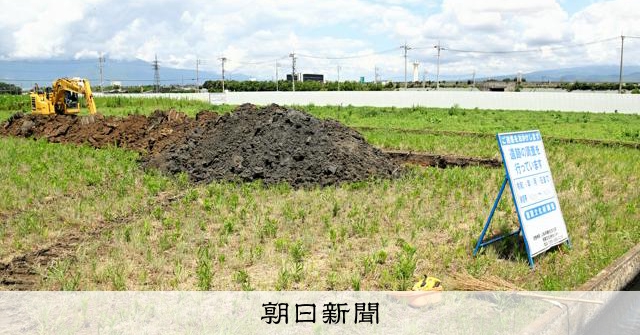
The construction of the final section of the Chuo Shinkansen (Maglev) line has been approved, moving the project closer to its operational start. This approval addresses the last remaining hurdle for the high-speed rail project, which has faced numerous delays and challenges. The Chuo Shinkansen aims to connect Tokyo and Nagoya with unprecedented speed, significantly reducing travel times between these major Japanese cities. However, the exact timeline for the line's opening remains uncertain, with further construction and testing phases still required. Environmental concerns and potential impacts on local communities have been significant factors in the project's protracted development. The approval of the final section's construction is a critical step, but it does not guarantee an immediate launch. Regulatory reviews, safety checks, and the integration of new technologies will continue to shape the project's progress. The success of this ambitious infrastructure project hinges on its ability to overcome these remaining obstacles and deliver on its promise of revolutionizing inter-city travel in Japan.
The approval of the final construction segment for the Chuo Shinkansen represents a significant milestone, potentially unlocking substantial economic benefits through enhanced connectivity. However, the project's extended timeline and persistent challenges highlight systemic issues in large-scale infrastructure development, particularly concerning environmental impact assessments and inter-jurisdictional coordination. Looking ahead, the successful integration of advanced maglev technology into Japan's existing transportation network will be a crucial test case for future high-speed rail initiatives globally. The project's ultimate success will depend not only on technological feasibility but also on its capacity to achieve broad public and environmental consensus, setting a precedent for balancing rapid transit ambitions with sustainable development principles in the coming decade.
AI-generated to prompt reflection — not editorial opinion, not advice, not a statement of fact. How this works.