When Will the 'Incomplete National Parliament' Be Complete?
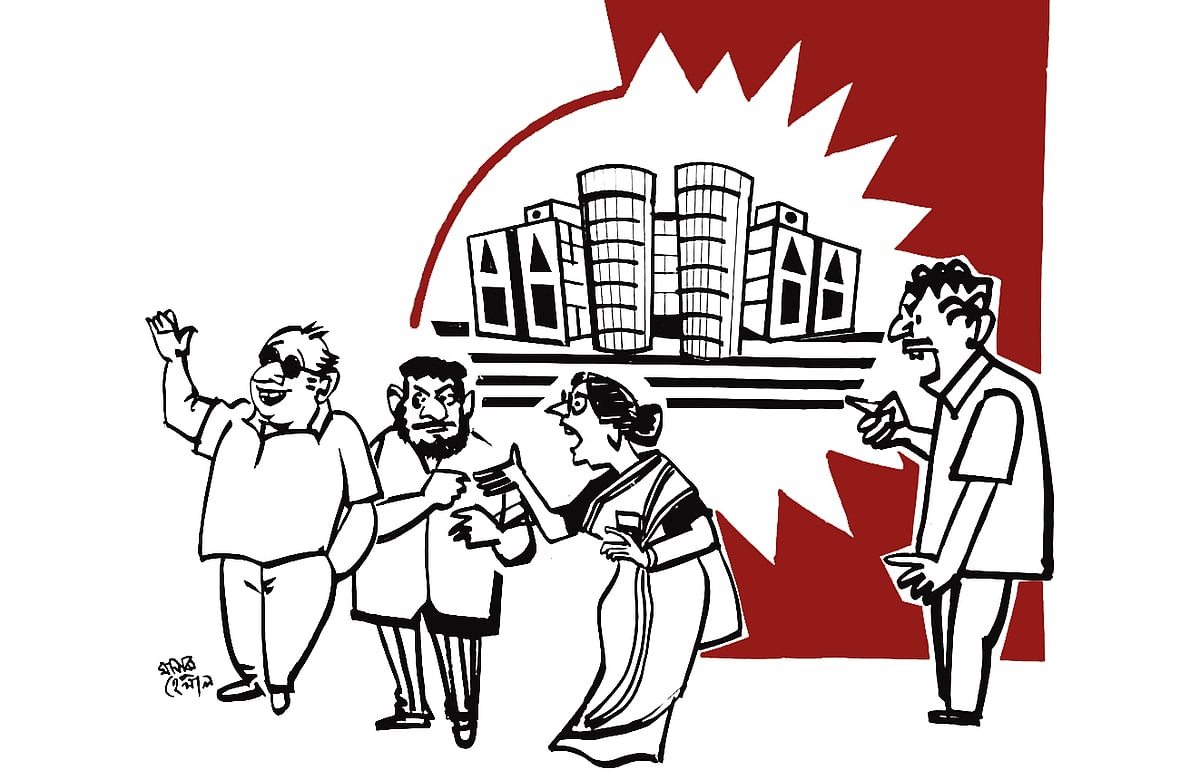
The core issue highlighted is that Bangladeshi politicians, despite engaging in politics for the public good, do not prioritize the needs and desires of the people they represent. This disconnect between political action and public interest is presented as a fundamental problem within the political landscape. The question of when the 'incomplete national parliament' will achieve its full potential or be properly constituted remains unanswered, implying a persistent state of incompleteness or dysfunction. The statement suggests a systemic challenge where the aspirations of the electorate are not adequately reflected or addressed by their elected officials. This lack of prioritization leads to a situation where the parliament, or the political system it represents, is perceived as not fully serving its intended purpose for the citizens. The article implies that this is a recurring or ongoing problem that needs resolution for effective governance and representation.
The statement points to a potential disconnect between the stated intentions of politicians and their actual prioritization of public needs, suggesting a governance challenge. This dynamic can arise from various incentive structures, including electoral pressures, party discipline, or the influence of special interest groups, which may divert focus from broader public welfare. Understanding these underlying mechanisms is crucial for assessing the effectiveness of representative democracy and for fostering accountability. Examining the long-term implications of such a disconnect, particularly in the context of evolving societal expectations and technological advancements, could reveal systemic vulnerabilities and opportunities for reform aimed at strengthening public trust and ensuring that political institutions genuinely serve the populace.
AI-generated to prompt reflection — not editorial opinion, not advice, not a statement of fact. How this works.