Where is Ángel Di María? Fans Miss Argentine Forward During World Cup
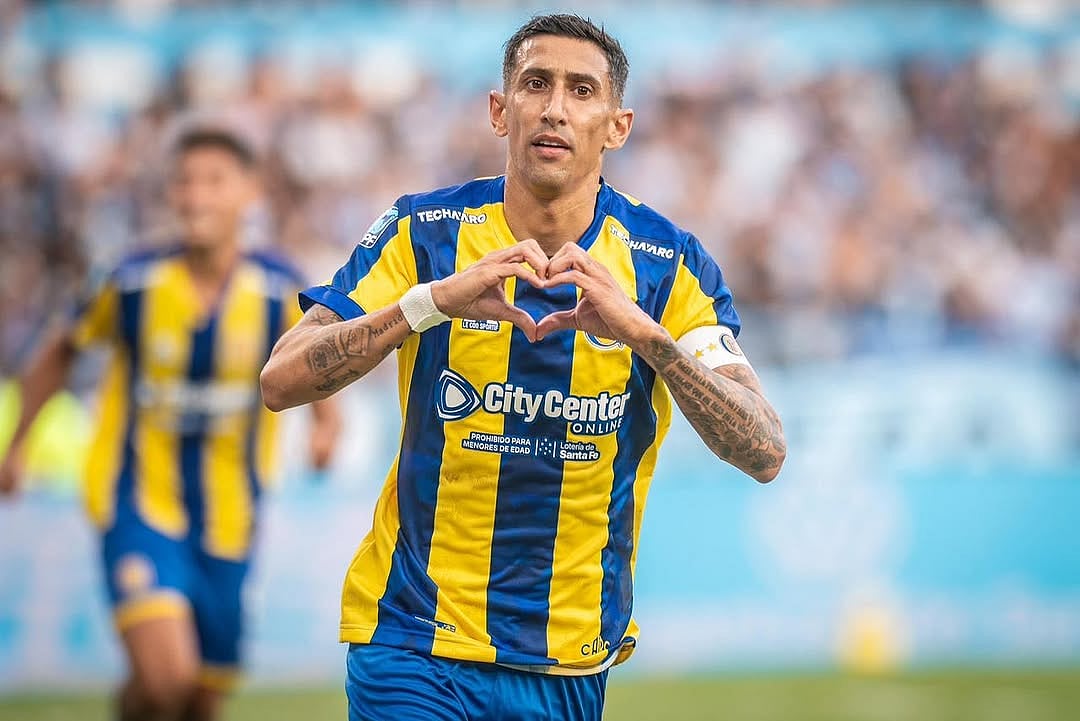
Ángel Di María, a prominent figure in Argentine football, is notably absent from the current World Cup, leaving both the team and fans feeling his void. Known for his dribbling, speed, and precise crosses as a winger, Di María's contributions to creating scoring opportunities have been a significant part of his career. Fans have expressed their longing for his presence, with some commenting on his Instagram account. Born in Rosario, Argentina, in 1988, Di María began his football journey at the young age of four, encouraged by a doctor due to his excessive running. He joined the Rosario Central academy and, after years in youth development, debuted for the senior team in 2005. His European career began in 2007 with Benfica, followed by stints at Real Madrid, Manchester United, PSG, Juventus, and another return to Benfica, spanning 18 years. Di María debuted for the Argentine national team in 2008, scoring 31 goals in 145 matches, contributing significantly to team play beyond just goals. His international accolades include an Olympic gold medal, Copa América titles, the 2022 FIFA World Cup, and the Finalissima. He retired from international football after winning the Copa América in 2024. After his extensive European career, Di María has returned to his hometown to play for his childhood club, Rosario Central, in 2025, although he has retired from national team duty. He is married to Jorgelina Cardoso since 2011 and has two daughters, with the family now settled in Rosario. While not actively playing in the World Cup, Di María has participated in promotional events, signing jerseys, and expressed a desire to watch the tournament live from the stands if possible. Fans may anticipate seeing him in the stadium during an upcoming Argentine match.
The absence of a veteran player like Ángel Di María during a major tournament like the World Cup highlights the generational transition within national football teams. While Di María's individual brilliance is acknowledged, his departure from international duty signifies a shift in Argentina's strategic approach and player development pipeline. The narrative around his absence can be framed by the evolving dynamics of player longevity, the increasing physical demands of modern football, and the imperative for teams to cultivate new talent. His return to Rosario Central also reflects a broader trend of experienced players concluding their careers in familiar environments, balancing legacy with personal and familial considerations. The focus shifts from individual stars to the collective performance and long-term sustainability of the national team's competitive edge.
AI-generated to prompt reflection — not editorial opinion, not advice, not a statement of fact. How this works.