Where to Sit on a Plane to Avoid Being Sucked Out
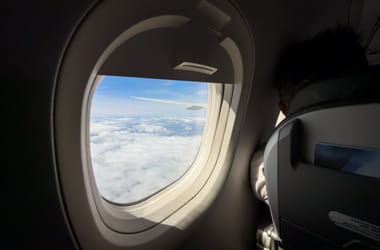
An extremely rare, though astonishing, scenario involves a passenger being expelled from a commercial aircraft due to a broken window and the resulting pressure difference. This possibility is being considered following an incident involving a Ryanair flight. While the chances of such an event are minuscule, the question of optimal seating arises when contemplating the physics of flight and cabin integrity. The scenario highlights the critical importance of maintaining the structural soundness of aircraft and the sophisticated safety systems in place. Such an event would involve a catastrophic failure of the fuselage, leading to a rapid decompression. The forces involved in such a rapid pressure change are immense, and the likelihood of a person being physically ejected is contingent on numerous factors, including proximity to the breach and the speed of depressurization. Aviation safety protocols are designed to mitigate even the most improbable risks, ensuring passenger security through rigorous maintenance and design standards. The investigation into the Ryanair incident, whatever its specifics, will undoubtedly focus on the integrity of the aircraft's structure and the circumstances surrounding any potential window failure.
The hypothetical scenario of a passenger being ejected from an aircraft due to a window breach, while statistically improbable, underscores the paramount importance of structural integrity in aviation. Modern aircraft are engineered with multiple redundancies to manage cabin pressure and withstand significant stress. The focus in such rare events shifts from passenger seating choices to the rigorous maintenance, design, and regulatory oversight governing aircraft safety. The underlying system is designed to prevent catastrophic failures, and any deviation prompts a thorough review of manufacturing, inspection, and operational procedures. Looking ahead, advancements in materials science and predictive maintenance, augmented by AI, will further enhance the resilience of air travel against unforeseen structural challenges, reinforcing the industry's commitment to safety.
AI-generated to prompt reflection — not editorial opinion, not advice, not a statement of fact. How this works.