Whey Protein Surges in Popularity Amidst 'Proteinmaxxing' Trend, Straining US Supply
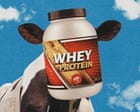
The demand for whey protein, a byproduct of cheesemaking, has surged dramatically, transforming it from a niche supplement for bodybuilders into a mainstream product. Tony Meives, a fourth-generation cheesemaker from Wisconsin, now runs a successful company selling whey protein powder, a stark contrast to his family's traditional cheese production. He notes that while only bodybuilders consumed whey twenty years ago, the market has broadened significantly over the past five years to include a diverse range of consumers. This boom is partly attributed to the rise of GLP-1 medications, which have fueled a broader "protein craze" or "proteinmaxxing" trend. The increased demand has put a strain on US producers, who are struggling to keep up with the escalating consumption. This shift reflects a broader societal acceptance and promotion of protein-rich diets, with even public figures like US health secretary Robert F. Kennedy Jr. acknowledging the widespread embrace of protein. The trend signifies a victory for protein in dietary recommendations, moving away from earlier emphases on fruits, vegetables, and carbohydrates.
The current surge in whey protein demand, driven by wellness trends and potentially amplified by pharmaceutical advancements like GLP-1s, highlights a significant shift in consumer dietary priorities. This phenomenon underscores the powerful influence of cultural narratives and market forces on nutritional science adoption. Producers face the challenge of scaling sustainable supply chains to meet this heightened, potentially volatile demand. Future market dynamics will likely depend on the longevity of the 'proteinmaxxing' trend, regulatory responses to supplement markets, and the development of alternative protein sources. Understanding the interplay between health fads, pharmaceutical influence, and industrial capacity is crucial for navigating this evolving landscape.
AI-generated to prompt reflection — not editorial opinion, not advice, not a statement of fact. How this works.