Which Southeast Asian Capital Boasts the Most Remarkable Canal Network?
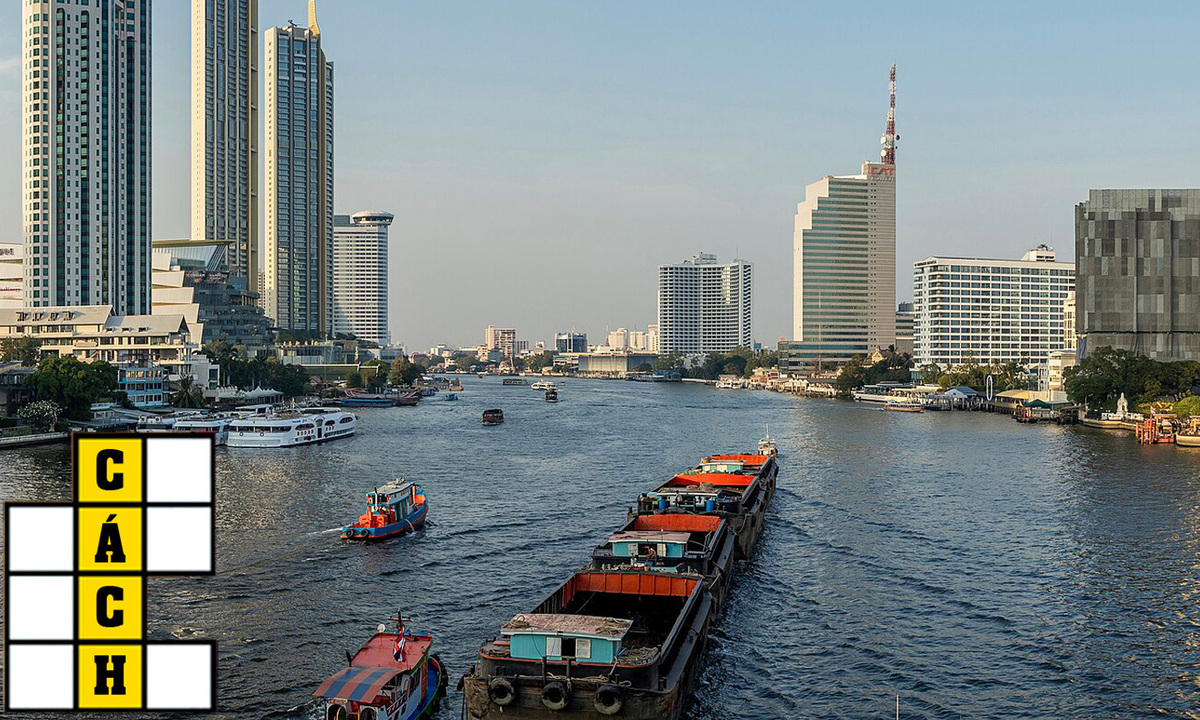
Within Southeast Asia, a capital city stands out for its intricate network of canals and waterways, lending it a mystical and poetic charm. This extensive system of rivers and channels shapes the city's unique landscape and character. The waterways are not merely scenic features but also integral to the city's historical development and daily life. They have served as vital transportation routes for centuries, connecting different parts of the capital and facilitating trade. The dense network creates a distinctive urban environment, often compared to other famous canal cities around the world. This watery infrastructure contributes significantly to the city's identity and allure. Exploring this capital offers a glimpse into a unique blend of natural waterways and urban living. The beauty of its canals adds a layer of romanticism to the bustling city life. The city's relationship with its waterways is a defining characteristic, making it a notable destination in Southeast Asia.
The prominence of a capital city's canal network within Southeast Asia highlights the historical interplay between urban development and natural water systems. Such infrastructure often reflects earlier settlement patterns and transportation needs, predating modern road networks. The enduring significance of these waterways suggests a potential for integrated urban planning that leverages natural assets for sustainable transport, tourism, and ecological benefits. Future urban strategies may benefit from re-evaluating and enhancing these existing water-based systems to mitigate challenges like urban heat islands and improve resident well-being, while also considering the potential impacts of climate change on water levels and infrastructure resilience.
AI-generated to prompt reflection — not editorial opinion, not advice, not a statement of fact. How this works.