Whindersson Nunes clarifies 'throw you off the cliff' comment on Haaland's post
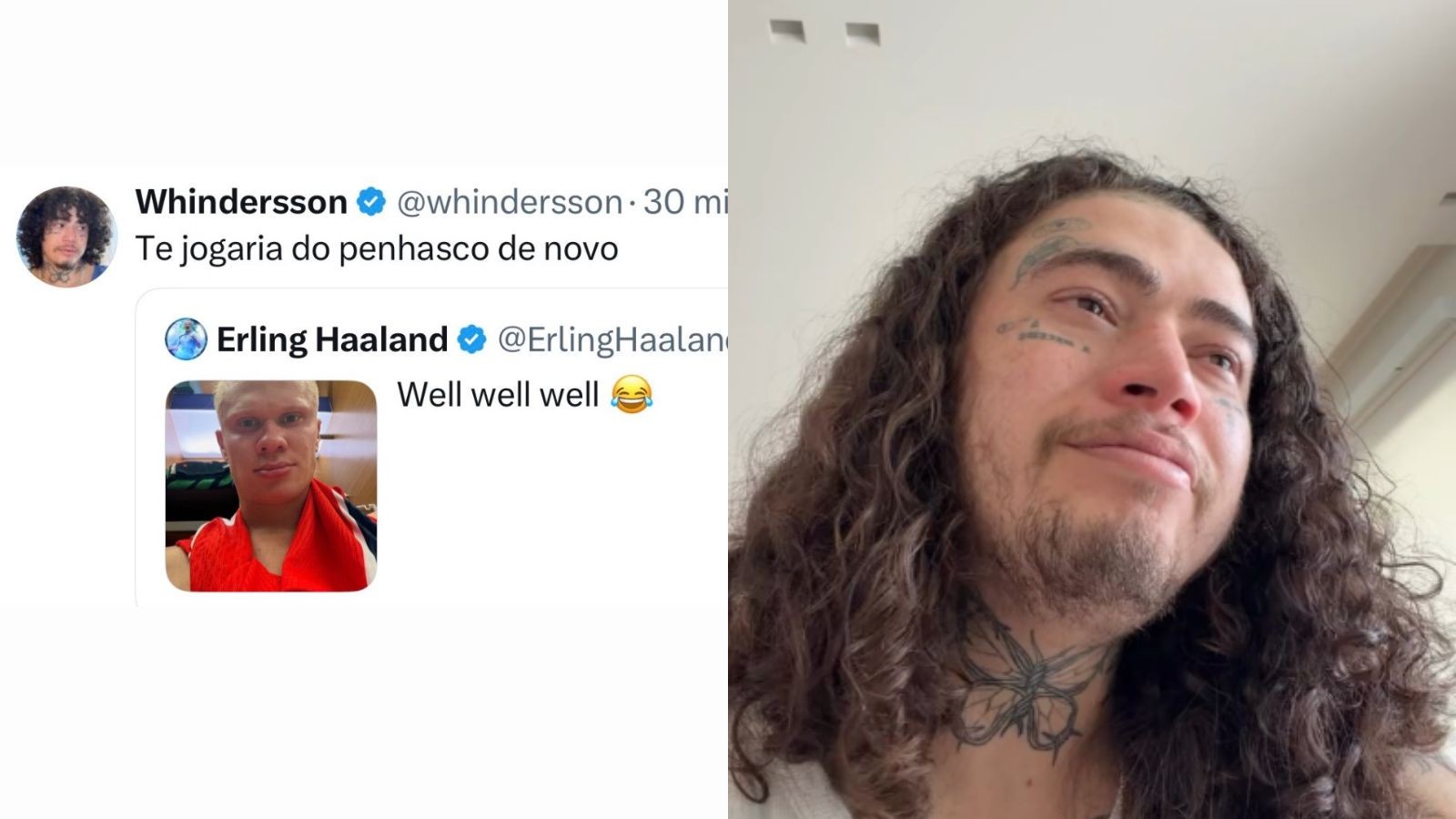
Brazilian comedian Whindersson Nunes addressed a social media controversy on Monday, February 6th, after commenting "I'd throw you off the cliff again" on a post by Norwegian footballer Erling Haaland. The phrase referenced "Penhasco" (Cliff), a 2021 song by his ex-wife, singer Luísa Sonza, released after their divorce.
Nunes stated his comment was intended as a joke and that he was misinterpreted by internet users. He denied any intention of inciting attacks against Sonza. The comedian explained his remark was inspired by a recent advertising campaign where Sonza playfully referenced Haaland due to their physical resemblance. Sonza had posted photos wearing Haaland's merchandise and mimicking his poses for an advertisement.
Following the online reaction, Sonza shared a video of herself training, accompanied by the caption: "Training a lot, having discipline and character to not become a mediocre man who thinks he's the greatest." It remains unconfirmed if this statement was directed at Nunes. Nunes reiterated that his intention was lighthearted, expressing surprise at how his comment was perceived as criticism rather than a friendly jest, akin to misunderstandings that can arise on platforms like WhatsApp.
This incident highlights the complex interplay between public figures' online interactions and audience interpretation, particularly when referencing past personal relationships. The use of song titles and shared cultural touchstones can be ambiguous, leading to unintended consequences. While Nunes framed his comment as a lighthearted jest, its timing and specific phrasing, referencing a song tied to a significant personal event, inadvertently created a narrative that could be perceived as antagonistic. This situation underscores the challenges of maintaining privacy and managing public perception in the digital age, where even seemingly innocuous remarks can be amplified and recontextualized, prompting scrutiny of the potential for public commentary to inadvertently fuel negative sentiment or online harassment, regardless of the original intent.
AI-generated to prompt reflection — not editorial opinion, not advice, not a statement of fact. How this works.