White, Brown, and Powdered Sugar: Differences and Best Uses in Recipes
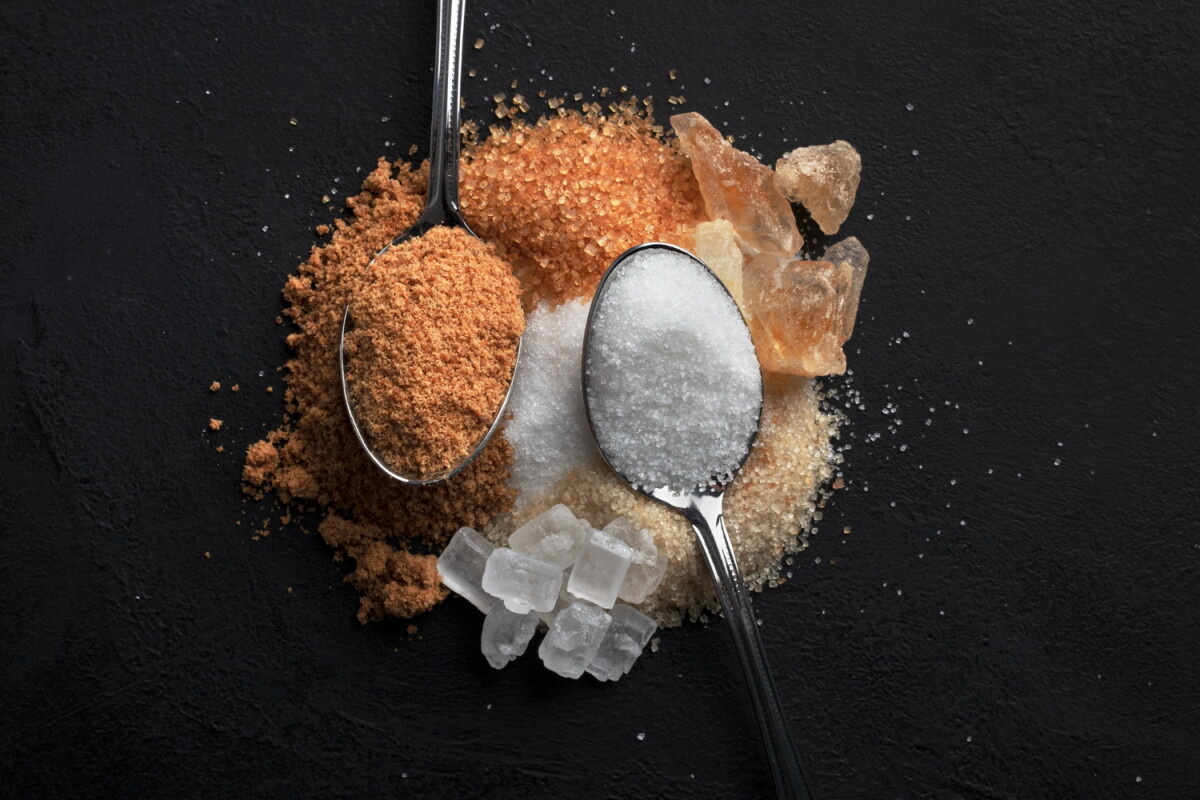
The article explores the distinctions between white, brown, and powdered sugar, detailing their refining processes and culinary applications. It clarifies why brown sugar is not inherently healthier than white sugar, according to nutrition specialists. The refining process for white sugar involves removing molasses, resulting in pure sucrose. Brown sugar, conversely, retains some molasses, which gives it its characteristic color and flavor. Powdered sugar, also known as confectioners' sugar or icing sugar, is finely ground white sugar mixed with a small amount of cornstarch to prevent clumping. Each type of sugar has unique properties that make it suitable for specific recipes. White sugar is versatile and commonly used in baking, beverages, and general sweetening. Brown sugar adds moisture and a caramel-like flavor, making it ideal for cookies, cakes, and glazes. Powdered sugar is essential for frostings, icings, and delicate desserts where a smooth texture is desired. Nutrition specialists emphasize that despite the differences in processing and flavor, all these sugars are primarily sucrose and provide similar caloric content. Therefore, the choice of sugar should be based on the desired outcome in the recipe rather than perceived health benefits.
The distinctions between various sugar types primarily lie in their processing and resulting flavor profiles, not significant nutritional differences. While brown sugar's molasses content offers a unique taste and texture, it does not confer superior health benefits over refined white sugar. Consumers often seek healthier alternatives, but in this case, the perceived health advantages of brown sugar are largely a misconception. Understanding these differences allows for more informed culinary choices, optimizing recipes based on desired outcomes like moisture, flavor, and texture, rather than on unsubstantiated health claims. The market may benefit from clearer consumer education regarding the functional and sensory properties of different sweeteners.
AI-generated to prompt reflection — not editorial opinion, not advice, not a statement of fact. How this works.