White House Faces Scrutiny Over New Air Force One Upgrades and Security Gaps
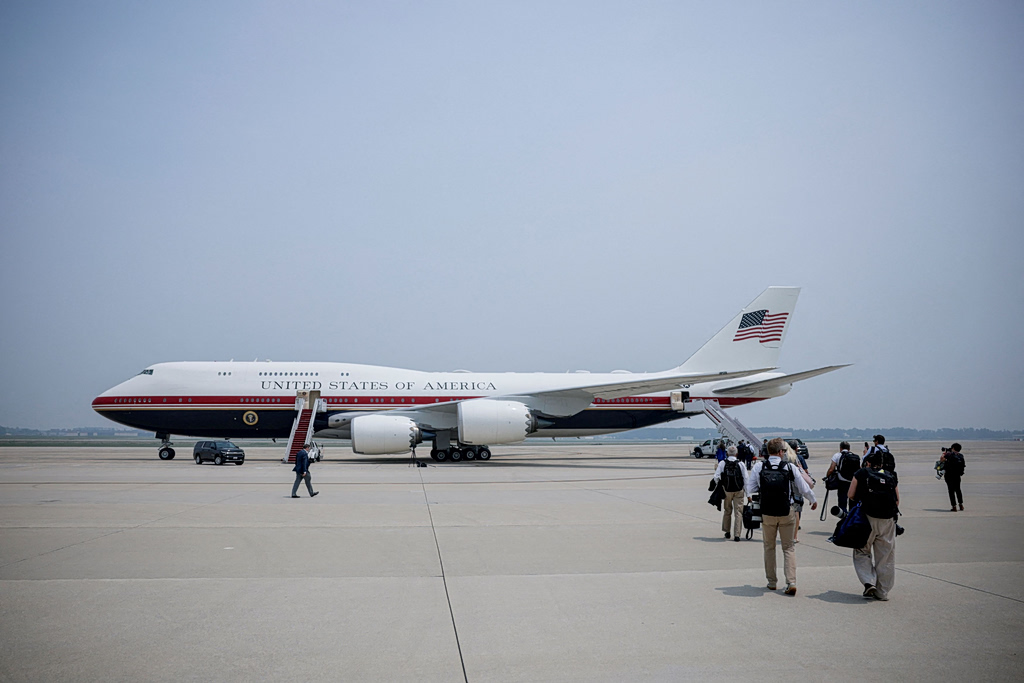
U.S. President Donald Trump has indicated that the aircraft provided by Qatar and used as Air Force One will undergo extensive upgrades. This indirectly confirms reports of deficiencies in its security systems. Questions have been raised regarding the aircraft's anti-missile capabilities. The situation came to light as the President returned from the FIFA Club World Cup final. The need for significant modifications suggests potential oversights in the initial procurement or readiness assessment of the aircraft. The public and security experts are concerned about the implications of these security gaps for presidential travel. Further details on the nature of the upgrades and the specific security concerns are expected. The incident highlights the critical importance of robust security protocols for high-level government assets. The administration is under pressure to address these issues promptly and transparently.
The reported security vulnerabilities and subsequent need for extensive upgrades to the aircraft designated for Air Force One raise questions about the due diligence and risk assessment processes involved in its acquisition and deployment. This situation underscores the inherent tension between rapid operational needs and the meticulous security standards required for presidential transport. The incident prompts consideration of how governmental procurement systems balance cost-effectiveness, technological advancement, and non-negotiable security imperatives, particularly in an era of evolving geopolitical threats. Future strategies may need to incorporate more rigorous, independent security audits throughout the acquisition lifecycle to prevent similar issues and ensure the unwavering safety of national leadership.
AI-generated to prompt reflection — not editorial opinion, not advice, not a statement of fact. How this works.