White House Report Suggests Trump Era Could Spark Scientific Renaissance
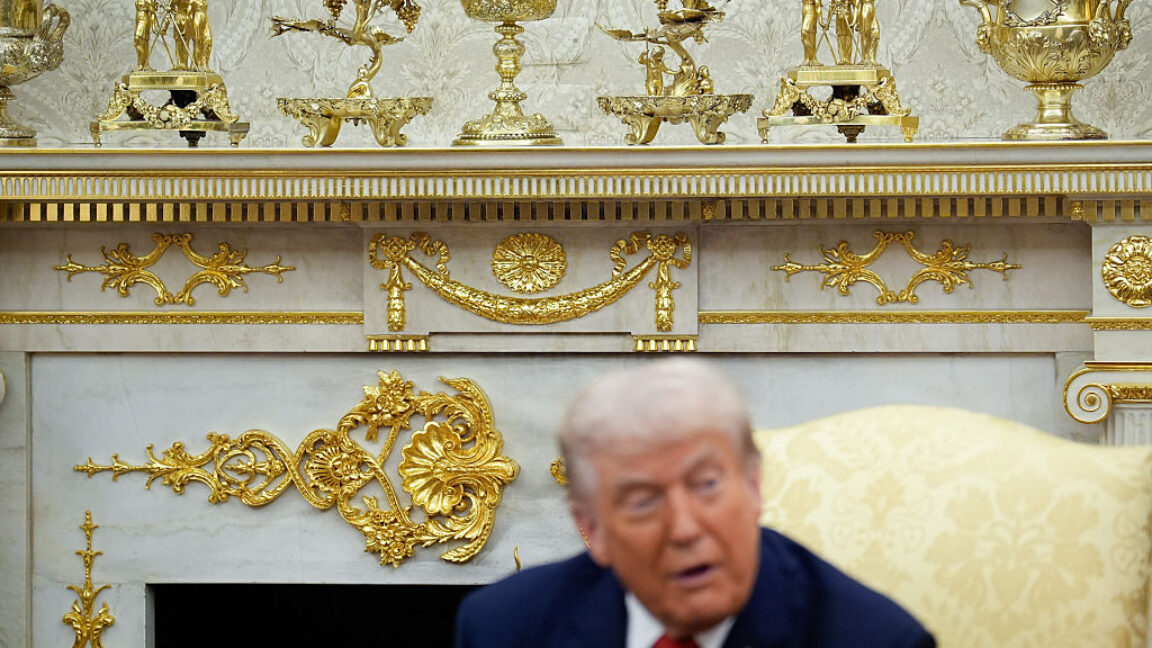
A White House report posits that former President Donald Trump's administration could usher in a "new golden age" of science and technology. The document outlines a vision for revitalizing American innovation and leadership in scientific fields. It suggests that specific policies and initiatives implemented during Trump's term could foster significant advancements. The report touches upon various sectors, aiming to highlight potential areas for growth and discovery. However, the content of the report is described as a "near-random mixture of real problems and grievances." This suggests a lack of clear focus or a cohesive strategy within the document. The juxtaposition of ambitious goals with a disorganized presentation raises questions about the report's practical applicability and overall coherence. It appears to blend genuine challenges with perceived slights or complaints, making it difficult to discern a clear path forward.
The White House report's assertion of a potential "new golden age" of science under a specific political leader frames scientific progress as contingent on executive leadership rather than sustained institutional investment and open collaboration. The characterization of the report as a "near-random mixture of real problems and grievances" suggests that its proposed agenda may be driven by political expediency or internal discontents rather than a data-driven, long-term strategy for scientific advancement. In the context of the accelerating AI era, such an approach risks overlooking the systemic requirements for innovation, including robust funding for basic research, international scientific partnerships, and a stable regulatory environment. Focusing on leadership personalities over structural support could lead to fragmented progress and missed opportunities in critical fields.
AI-generated to prompt reflection — not editorial opinion, not advice, not a statement of fact. How this works.