White supremacists march freely in US Independence Day celebrations, emboldened by Trump era
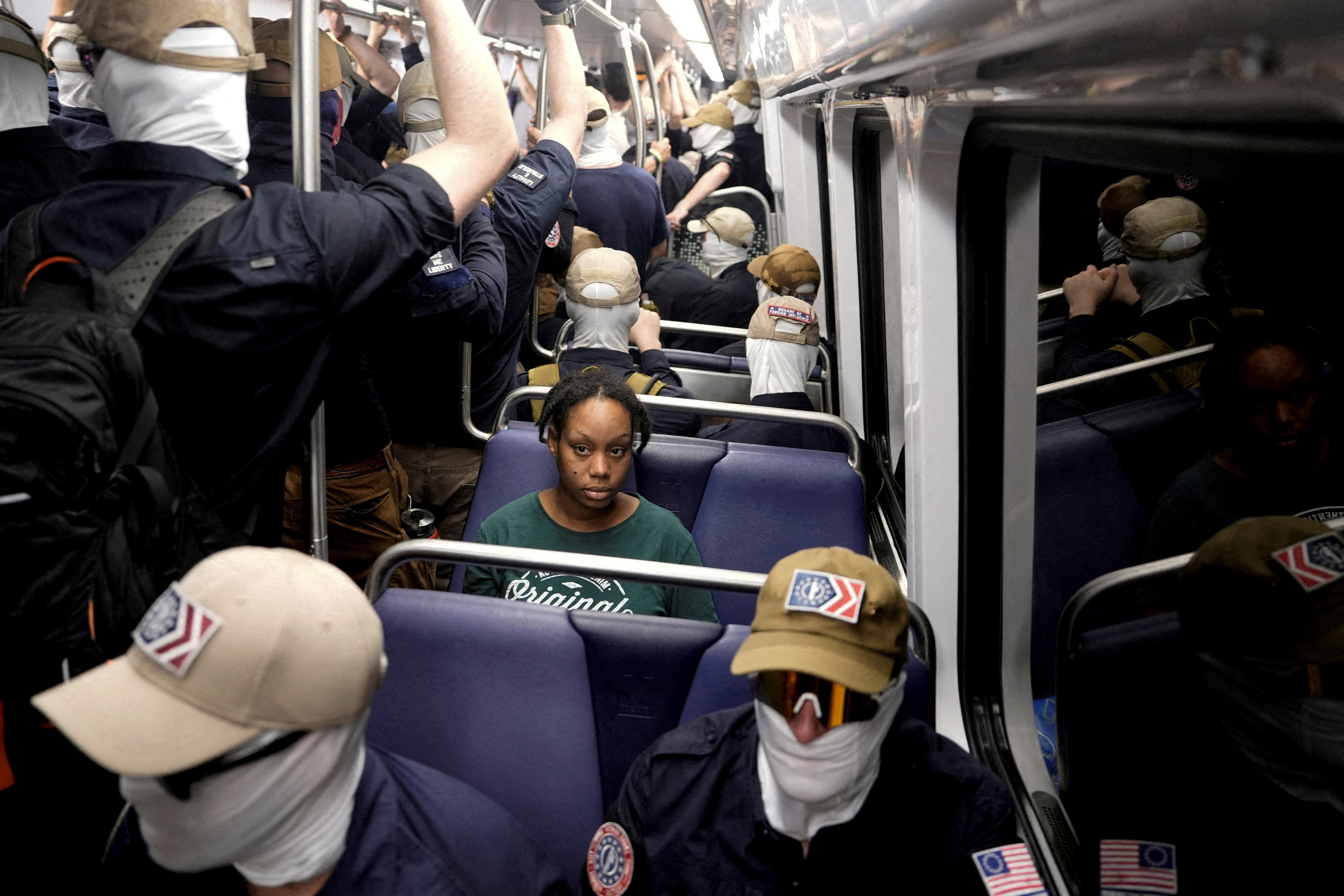
Hundreds of white supremacists from the Patriot Front militia marched openly in Washington D.C. during the 250th anniversary of U.S. Independence Day on July 4th. Unlike past iterations of the Ku Klux Klan, modern activists wore white masks, sunglasses, and baseball caps, waving Confederate flags and chanting slogans like "Reclaim America!" The Patriot Front, founded in 2017 by Thomas Rousseau, advocates for a white ethnic state in the U.S. and views multiculturalism, immigration, and diversity as threats. The group also promotes the "Great Replacement" conspiracy theory, alleging a Democratic plot to replace the white electorate with immigrants. A viral photograph captured a Black woman appearing apprehensive, surrounded by dozens of masked supremacists on a Washington D.C. subway, a scene that drew comparisons to Rosa Parks' experience during segregation. This event echoes the emboldening of far-right groups during the Trump administration, particularly after the 2017 Charlottesville march where a counter-protester was killed. Trump's rhetoric, including his statement about "very fine people on both sides," and his pardons of individuals convicted in the January 6th Capitol attack, including leaders of groups like the Proud Boys and Oath Keepers, are seen as contributing factors. Despite the visible presence of the Patriot Front, Secretary of the Interior Doug Burgun downplayed their impact, citing freedom of expression, even if it makes democracy "imperfect."
The visible presence and open marching of white supremacist groups during national celebrations, particularly in the context of a politically polarized environment, raises questions about the boundaries of free speech and public order. The Patriot Front's ideology, which promotes an ethnically pure state and espouses conspiracy theories, directly challenges principles of diversity and inclusion fundamental to many modern democracies. The historical parallels drawn by observers, and the perceived leniency from some officials citing freedom of expression, highlight a tension between protecting civil liberties and safeguarding against ideologies that could undermine social cohesion and democratic values. This dynamic suggests a need for ongoing societal dialogue regarding the responsibilities that accompany rights, especially when extremist rhetoric gains traction, potentially shaping political discourse and public perception over the next decade.
AI-generated to prompt reflection — not editorial opinion, not advice, not a statement of fact. How this works.