Who Can Order Force Against Protesters? Understanding Indian Law
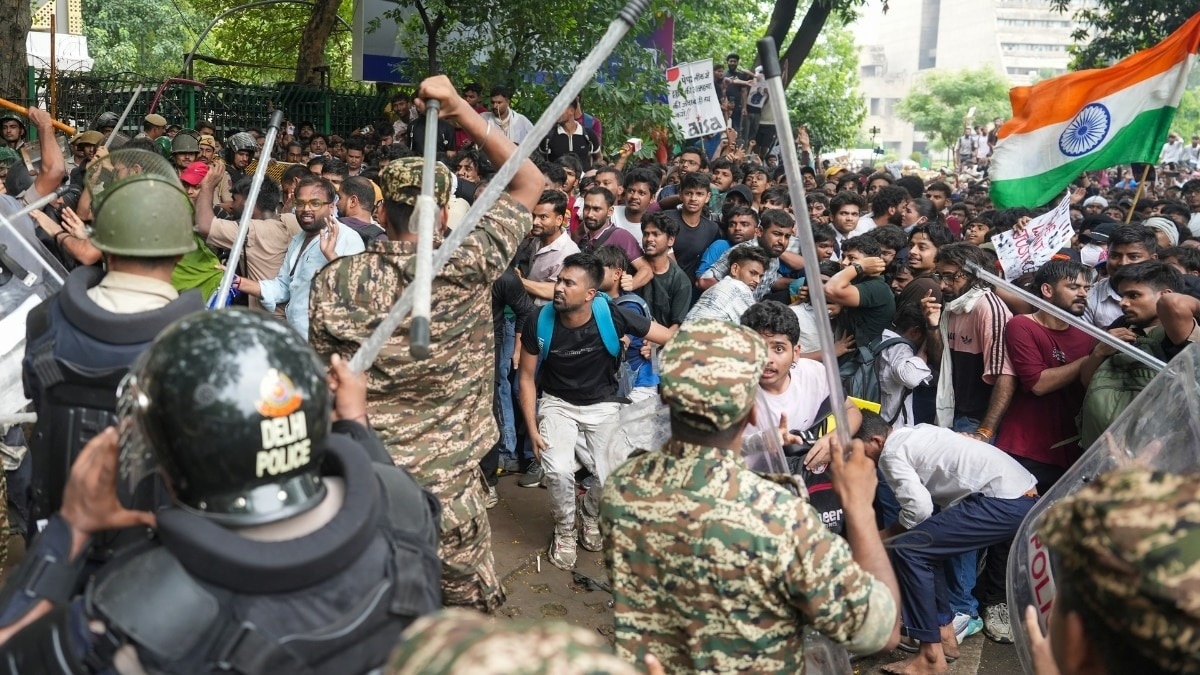
Following recent police actions against protesting students, a debate has resurfaced in India regarding the extent to which force can be used during peaceful demonstrations. Indian law permits the use of force against protesters only under specific circumstances. The core of the discussion revolves around the legal framework governing police conduct and the rights of citizens to assemble peacefully. This incident highlights the ongoing tension between maintaining public order and upholding fundamental rights. The legal provisions aim to strike a balance, ensuring that any use of force is proportionate and justified. The debate underscores the importance of clear guidelines and accountability in such situations.
The recent use of force against student protesters in India reopens critical questions about the balance between public order and civil liberties. Indian legal frameworks, like those in many democracies, aim to define the permissible limits of state intervention during demonstrations. The key challenge lies in ensuring that any application of force is strictly necessary, proportionate, and adheres to established legal protocols, rather than being an arbitrary response to dissent. Future governance models will need to prioritize transparent mechanisms for de-escalation and accountability, fostering public trust by clearly delineating the rights of protesters and the responsibilities of law enforcement in the evolving socio-political landscape.
AI-generated to prompt reflection — not editorial opinion, not advice, not a statement of fact. How this works.