WHO Declares End to Hantavirus Outbreak Linked to Argentina-Departing Cruise Ship
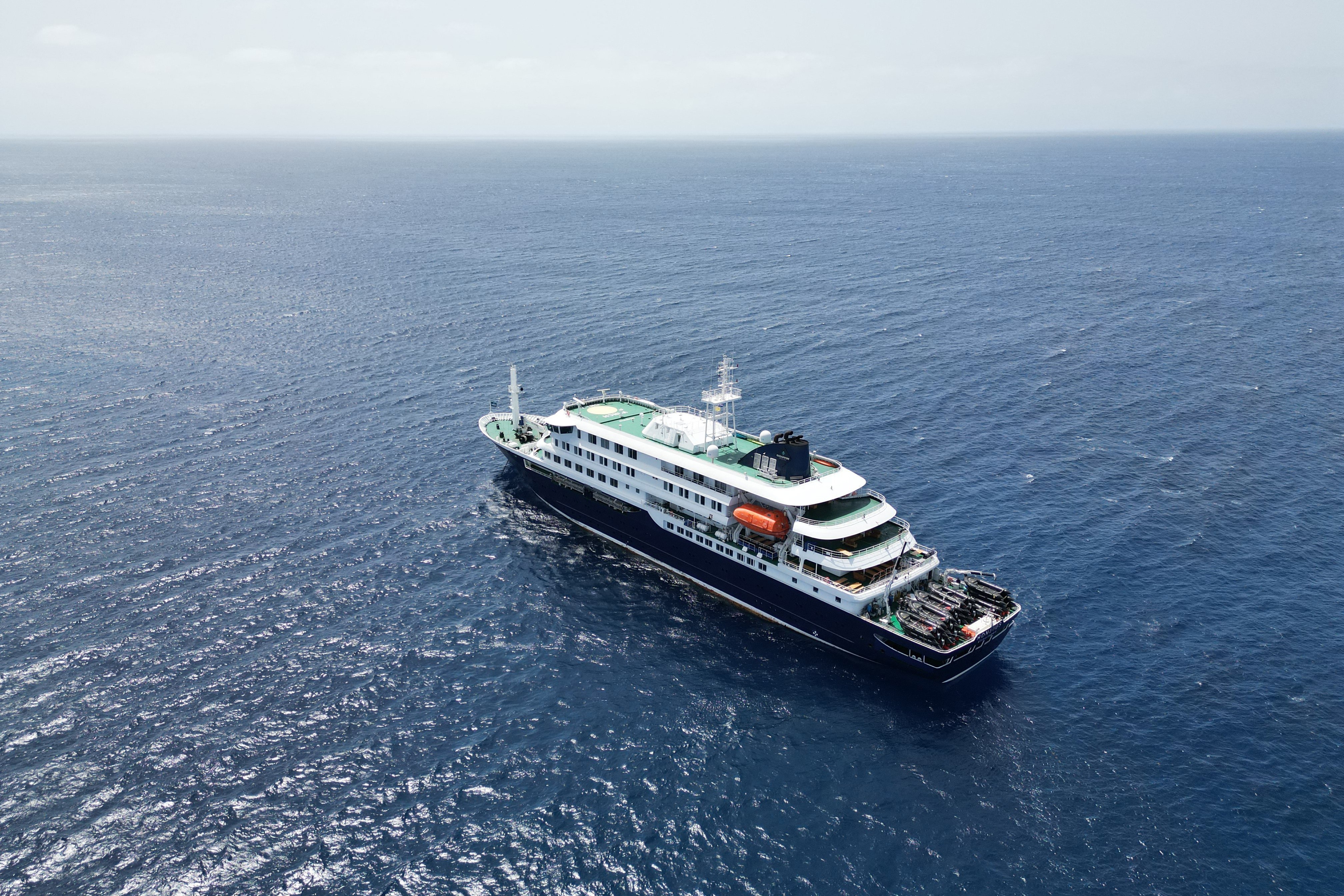
The World Health Organization (WHO) has declared an end to the hantavirus outbreak associated with the MV Hondius cruise ship, which departed from Argentina. WHO Director-General Tedros Adhanom Ghebreyesus announced on Thursday, February 2, that the last individual exposed to the virus had completed their quarantine period, tested negative, and returned home. This marks the conclusion of an international health alert that had raised concerns. The outbreak was linked to thirteen cases, including three fatalities, originating from the cruise ship. No new cases have been reported since May 25th, according to Ghebreyesus. Health authorities in 33 countries and territories monitored over 650 identified contacts throughout the course of the outbreak. While tens of thousands of hantavirus infections occur annually, typically through direct contact with rodents, this specific outbreak involved the Andes strain. This strain is notable as it is the only known variant capable of human-to-human transmission, which was the primary concern during this international health event. The MV Hondius is a Dutch-flagged vessel.
The WHO's declaration signifies a successful containment of a rare human-to-human transmissible hantavirus strain, underscoring the effectiveness of international public health surveillance and contact tracing protocols. The incident highlights the potential for novel transmission routes of known pathogens in globalized travel environments. Future preparedness may involve enhanced screening at departure and arrival points for voyages originating from or transiting through regions with endemic zoonotic diseases, particularly when specific viral strains with human-to-human transmission capabilities are identified. This event serves as a case study for managing cross-border health risks in an interconnected world, emphasizing the need for rapid information sharing and coordinated response mechanisms to mitigate potential pandemics.
AI-generated to prompt reflection — not editorial opinion, not advice, not a statement of fact. How this works.