WHO: Ebola Outbreak in DRC May Be 2-4 Times Larger Than Official Figures
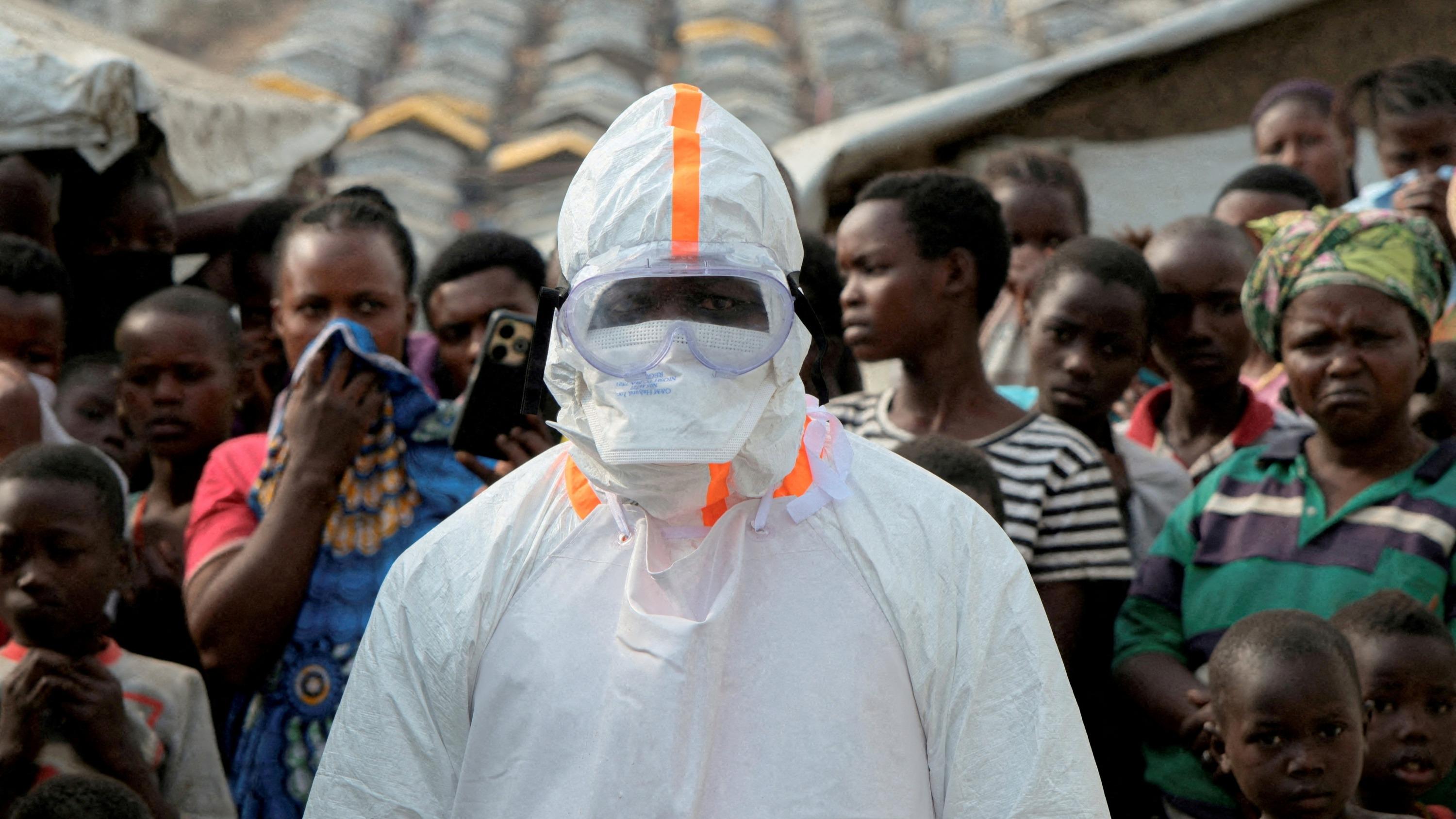
The World Health Organization (WHO) has warned that the current Ebola epidemic, primarily affecting the Democratic Republic of Congo (DRC), could be significantly larger than officially reported. In just two months, the outbreak has resulted in over 700 deaths and more than 2000 confirmed cases. The WHO's assessment suggests the true scale of the epidemic might be two to four times greater than the current estimates. This underestimation could have serious implications for containment efforts and resource allocation. The organization is urging for increased vigilance and resources to combat the spread of the virus effectively. The high number of cases and fatalities underscores the severity of the situation and the challenges in accurately tracking and controlling the epidemic's reach.
The WHO's projection that the Ebola epidemic in the DRC may be two to four times larger than official figures highlights critical challenges in real-time disease surveillance and reporting within active conflict zones or areas with limited infrastructure. This discrepancy suggests potential undercounting of cases, which could compromise the effectiveness of public health interventions by misallocating resources or delaying the implementation of necessary containment strategies. Understanding the systemic factors contributing to this data gap, such as access to affected populations, community trust, and the capacity of local health systems, is crucial for improving future epidemic response. The next decade's focus on integrated data systems and resilient public health infrastructure will be tested by such events, emphasizing the need for proactive investment in these areas to ensure timely and accurate situational awareness during health crises.
AI-generated to prompt reflection — not editorial opinion, not advice, not a statement of fact. How this works.