WHO ends hantavirus outbreak alert linked to cruise ship
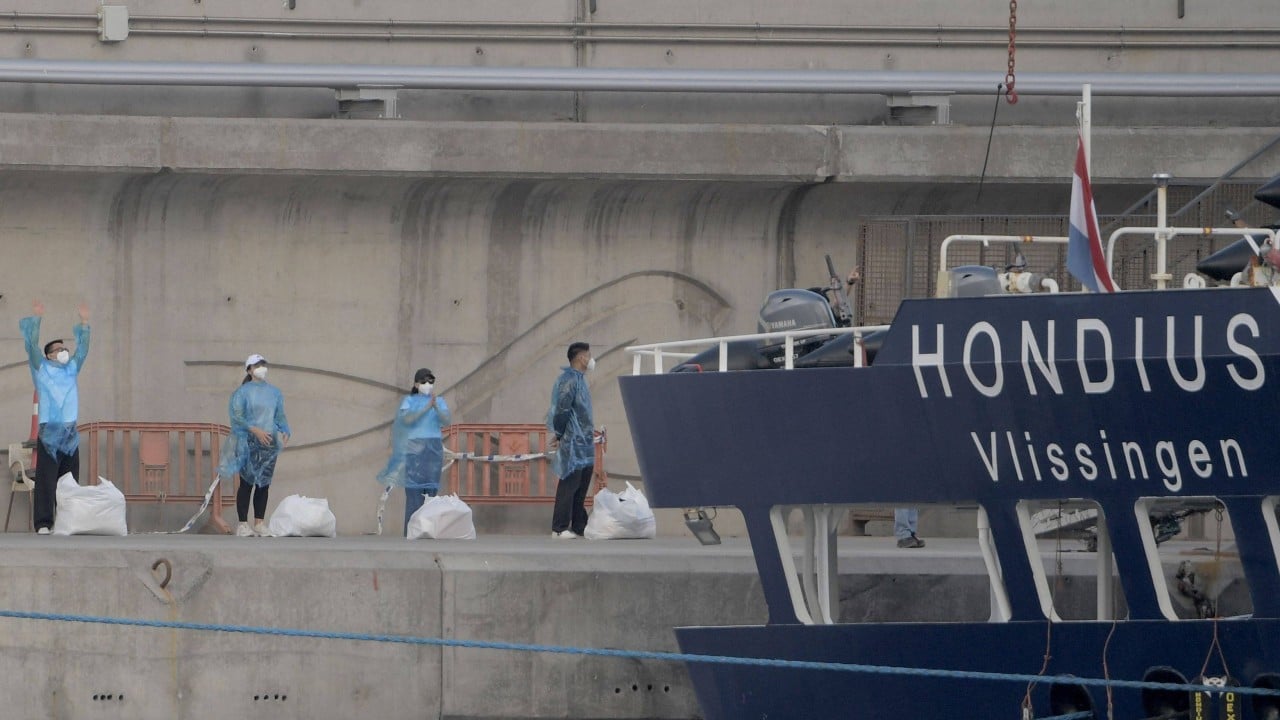
The World Health Organization (WHO) announced on Thursday that the hantavirus outbreak originating from the cruise ship MV Hondius has officially concluded. This declaration came after the final individual involved completed their quarantine period. The outbreak had previously raised international concern, resulting in a global health alert. In total, there were 12 confirmed cases and one probable case associated with the MV Hondius. Tragically, three individuals succumbed to the virus. Despite the official end of the outbreak, scientists and experts view this event as the beginning of their research. They aim to extract valuable lessons from this episode to inform future public health responses and preparedness strategies. The WHO's announcement marks the end of the immediate crisis, but the scientific community's work to understand and mitigate such risks is just starting.
This hantavirus outbreak on a cruise ship highlights the potential for rapid global transmission of novel infectious agents in interconnected travel environments. The WHO's swift declaration of an end to the alert, following quarantine completion, demonstrates established public health protocols for containing localized outbreaks. However, the incident underscores the ongoing challenge for global health authorities to balance immediate containment with the imperative for thorough scientific investigation. Future efforts should focus on enhancing real-time pathogen surveillance within high-density, mobile populations like cruise ship passengers and crew, and on developing more robust frameworks for international data sharing to accelerate understanding of emerging viral threats and inform long-term prevention strategies.
AI-generated to prompt reflection — not editorial opinion, not advice, not a statement of fact. How this works.