WHO Faces Funding Shortfall for Ebola Outbreak Response in DRC
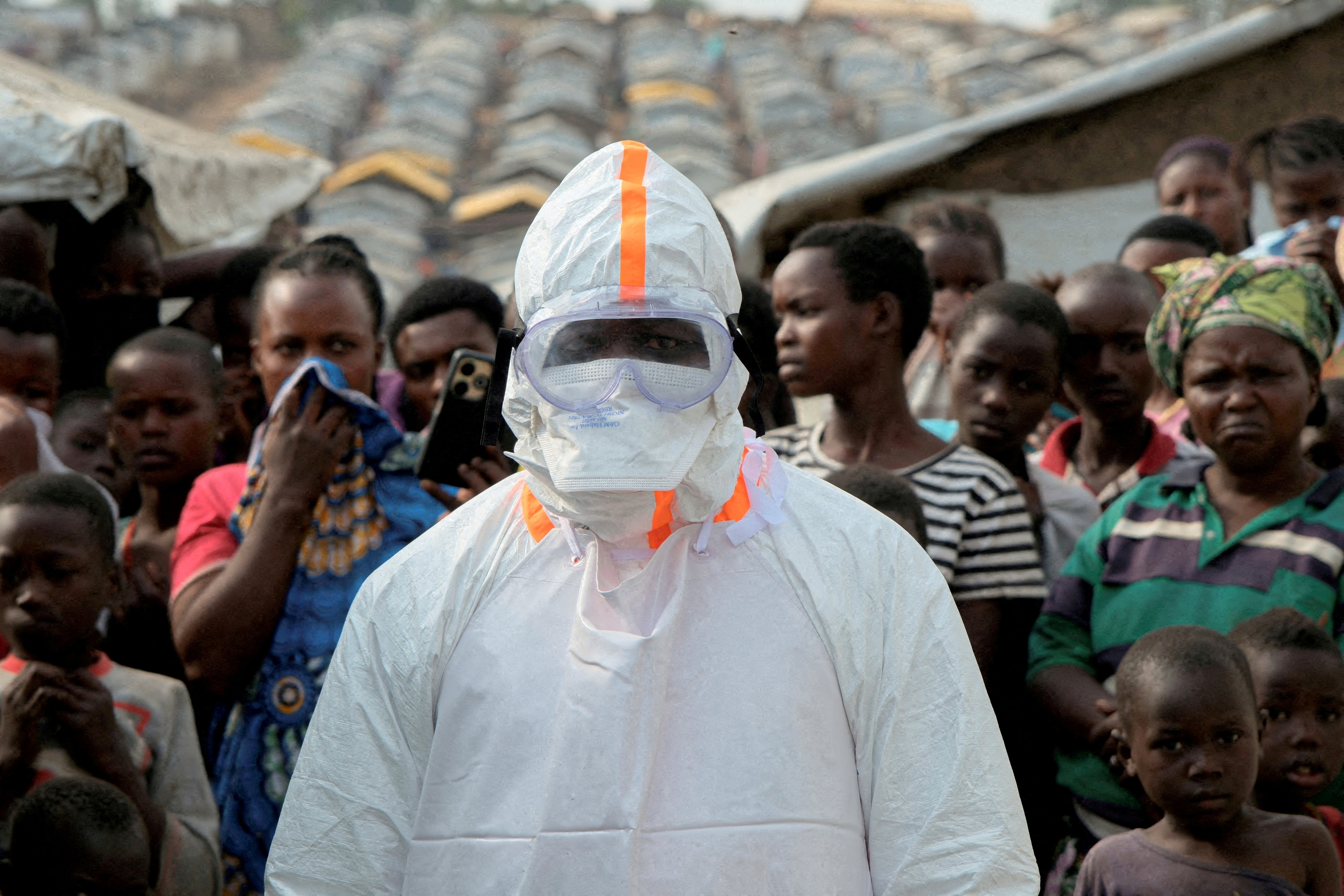
The World Health Organization (WHO) has secured less than half of the $115 million it requested to combat the Ebola outbreak in the eastern Democratic Republic of Congo (DRC). Chikwe Ihekweazu, head of the WHO's Health Emergencies Programme, stated on Tuesday, the 14th, that only about 40% of the necessary funds have been received. He urged donors not to abandon the country during this critical phase of the epidemic, emphasizing that the DRC cannot bear this burden alone. The current outbreak involves the Bundibugyo strain, for which no proven treatment or vaccine exists. Official figures indicate at least 1,926 people have been infected and 702 have died. Ihekweazu noted that the actual number of cases is likely double, or even more than four times, the officially reported figures. He described the situation as a critical juncture, requiring intensified efforts to detect and isolate patients, especially after cases recently spread to two new provinces. The WHO representative stressed the need for resources commensurate with the challenges faced.
The WHO's appeal highlights a persistent challenge in global health security: the gap between declared needs and actual funding for critical interventions. While the Bundibugyo Ebola strain poses a significant threat, the funding shortfall suggests a potential disconnect between international donor priorities and the sustained commitment required for epidemic control. This situation underscores the importance of predictable, multi-year funding mechanisms for health emergencies, rather than relying on ad-hoc appeals that may be subject to donor fatigue or shifting geopolitical interests. The WHO's analogy to a marathon emphasizes that successful containment requires long-term investment and consistent effort, a principle that may be difficult to uphold in a world of competing crises and limited resources. Future strategies may need to explore innovative financing models and stronger partnerships to ensure adequate preparedness and response capabilities.
AI-generated to prompt reflection — not editorial opinion, not advice, not a statement of fact. How this works.