Who Pays for Termite Extermination: Resident or Condominium?
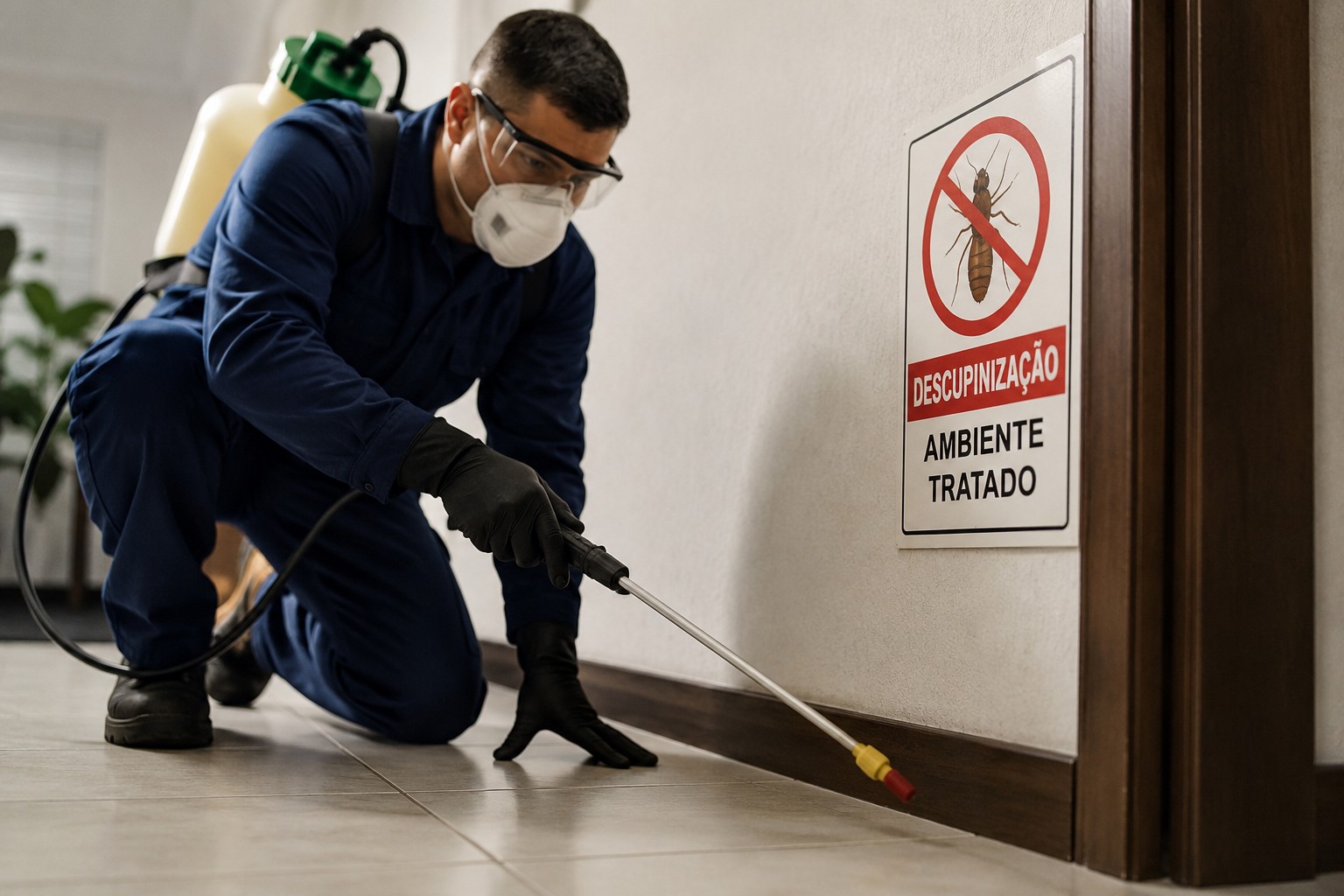
Determining responsibility for termite extermination costs in apartments and condominiums hinges on several factors, including the infestation's location, origin, and affected areas. Prompt action is crucial, as delaying treatment allows the problem to escalate. Generally, if termites are confined to a specific unit and affect only private property like furniture, cabinets, or doors, the resident or owner is responsible for the treatment. This applies to infestations within built-in furniture, wardrobes, shelves, or other wooden objects solely within the apartment.
The condominium's responsibility arises when termites infest common areas or the building's shared structures. Examples include roofs, communal ceilings, shared wooden frameworks, party rooms, lobbies, technical areas, and gardens. If the infestation originates in a common space and spreads to individual apartments, the condominium may be held liable for the extermination costs. Identifying the infestation's origin can be challenging, as termites can travel undetected through walls and hidden structures. A technical inspection is often essential to pinpoint the source, as a problem appearing localized within a unit might stem from a common building structure.
Brazilian Civil Code stipulates that condominiums are responsible for maintaining common areas, while unit owners must maintain their interiors. In cases of uncertainty, technical reports are typically sought to guide decisions on responsibility. Termites can enter apartments through contaminated furniture, doors, wooden structures, cardboard boxes, renovations, or common areas, with older buildings requiring extra vigilance. Subterranean termites, in particular, can spread from a single colony across multiple units without immediate detection, underscoring the need for comprehensive assessments by building management when an infestation is discovered.
The financial and logistical burden of pest control in multi-unit dwellings presents a recurring governance challenge. Establishing clear protocols based on technical assessments, rather than ad-hoc decisions, can mitigate disputes and ensure timely eradication. Future-proofing such policies will involve considering the increasing interconnectedness of building structures and the potential for climate change to alter pest migration patterns. Proactive, shared responsibility frameworks, potentially involving building-wide preventative measures funded by a small, regular maintenance fee, could offer a more efficient and equitable long-term solution than reactive, blame-assigning approaches.
AI-generated to prompt reflection — not editorial opinion, not advice, not a statement of fact. How this works.