WHO Seeks $21.5 Million for Mozambique Flood Victims Amidst Dual Crises
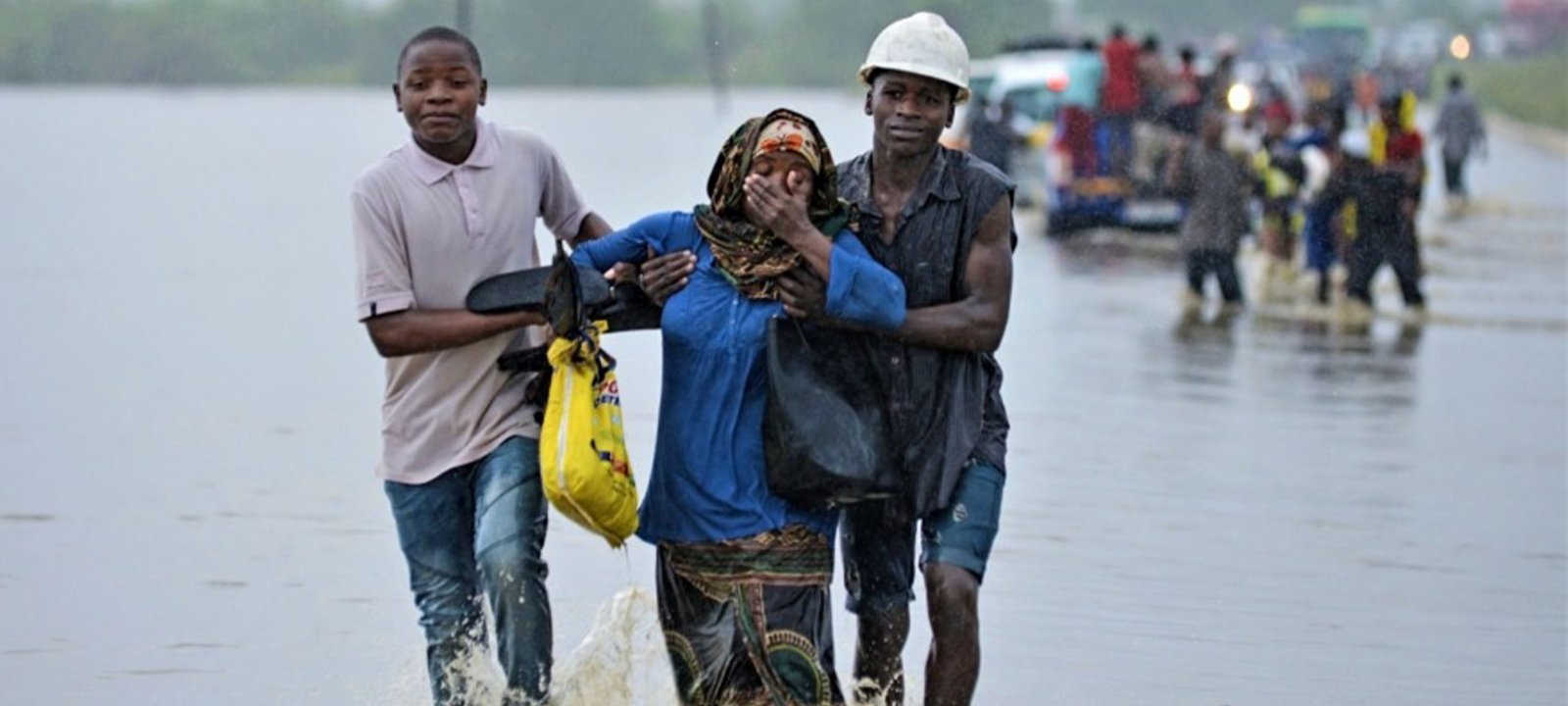
The World Health Organization (WHO), leading the health cluster in Mozambique, requires $21.5 million to assist nearly 539,000 individuals affected by recent floods in the southern and central regions. Mozambique is grappling with a severe humanitarian crisis compounded by climate shocks and armed conflict, significantly impacting vulnerable populations' health. The floods in 2026 displaced communities, damaged health infrastructure, and increased the risk of waterborne diseases, disrupting essential health services. The health cluster estimates 619,627 people need aid due to extreme weather events. A humanitarian response plan aims to support 538,725 beneficiaries across 18 districts in Gaza, Sofala, and Maputo provinces, with funding of approximately $21.5 million. This plan includes three objectives and 15 monitoring indicators for activities by year-end. Concurrently, Mozambique faces armed insecurity in Cabo Delgado province, exacerbating the strain on its already fragile health systems. Since October, heavy rains have caused 289 deaths and affected over a million people, with January floods alone resulting in 43 deaths, 147 injuries, and nine disappearances. Cyclone Gezani in February added four more deaths and impacted 9,040 people. The WHO had previously requested $16 million for northern Mozambique, targeting 409,968 people in Nampula, Niassa, and Cabo Delgado provinces.
Mozambique's current humanitarian situation highlights the critical intersection of climate change impacts and ongoing security challenges. The WHO's funding appeal underscores the immense strain on national health systems and the need for robust international support. This dual crisis necessitates a comprehensive approach that not only addresses immediate health needs arising from natural disasters but also integrates long-term strategies for resilience against both climatic variability and protracted insecurity. Future planning must consider how to build adaptive health infrastructure and service delivery models capable of withstanding concurrent shocks, potentially through innovative financing mechanisms and strengthened local capacity to manage overlapping emergencies.
AI-generated to prompt reflection — not editorial opinion, not advice, not a statement of fact. How this works.