WHO Warns Climate Change Increases Drowning Risks
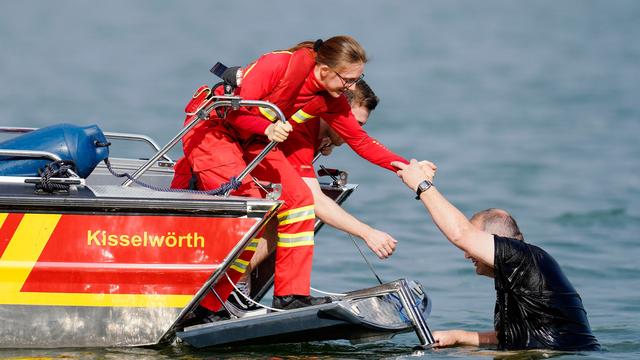
The World Health Organization (WHO) has issued a warning that climate change is exacerbating the dangers associated with drowning. This statement highlights a critical but often overlooked consequence of global warming.
The WHO's assessment points to several ways climate change contributes to increased drowning incidents. Rising sea levels and more frequent extreme weather events, such as floods and storms, can lead to inundated areas where people may not be aware of submerged hazards. Warmer temperatures also encourage more recreational water activities, potentially increasing exposure to risks, especially in areas with inadequate safety measures.
Furthermore, changes in water bodies due to climate change, like altered currents or increased water temperatures affecting aquatic life, can create new or unpredictable dangers. The organization emphasizes the need for enhanced water safety education, improved infrastructure around water bodies, and robust public health strategies to mitigate these growing risks.
The WHO's alert frames climate change not only as an environmental crisis but also as a direct public health threat, specifically concerning drowning fatalities. This perspective shifts the focus from abstract environmental impacts to tangible human safety consequences. The interconnectedness of climate-induced environmental shifts and human behavior, such as increased water recreation, reveals systemic vulnerabilities. Future mitigation efforts will likely require integrated strategies that combine climate adaptation with public safety infrastructure and education, acknowledging that environmental changes directly influence everyday risks and necessitate proactive, multi-sectoral responses to protect populations.
AI-generated to prompt reflection — not editorial opinion, not advice, not a statement of fact. How this works.