Who Was Absent from Ali Khamenei's Funeral Ceremony?
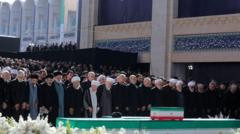
The funeral ceremony for Ali Khamenei, the former Supreme Leader of Iran, has concluded with his burial in Mashhad. The six-day event served not only as a farewell to Khamenei but also as a stage for displaying power and showcasing competing narratives about the political situation in Iran. Thousands of images were captured by news and non-news cameras during this period, with each image now becoming raw material for analysis, interpretation, and political debate across media and social networks. The attendance and absences of various figures, from religious authorities to military commanders, are being scrutinized as indicators of the political landscape and internal dynamics within the Islamic Republic.
The funeral of a prominent political figure like Ali Khamenei often becomes a focal point for observing power dynamics and political alignments. The presence or absence of key individuals from religious and military sectors can signal shifts in influence, internal consensus, or potential factionalism within the ruling establishment. Analyzing these attendance patterns provides insights into the stability of leadership succession and the broader political climate. In the context of Iran's complex governance, such observations are crucial for understanding the interplay between religious authority, military power, and political maneuvering, particularly as the nation navigates future leadership transitions and geopolitical challenges.
AI-generated to prompt reflection — not editorial opinion, not advice, not a statement of fact. How this works.