Why a Good Goulash Costs 9,000 Forints in Hungary?
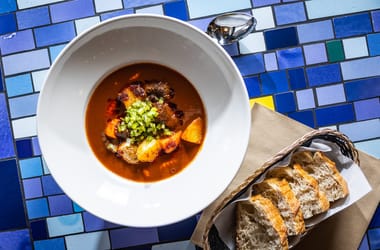
A recent analysis delves into the pricing of popular Hungarian dishes, specifically questioning why a traditional goulash can cost as much as 9,000 forints and a schnitzel 5,000 forints. The investigation aims to uncover the hidden costs associated with preparing these meals. It explores the reasons behind potentially lower prices in downtown restaurants that cater to tourist traffic, posing a question about whether cheaper fast-food establishments or more expensive restaurants ultimately yield greater profits. The study breaks down the costs of two iconic Hungarian dishes to provide a clearer understanding of their pricing structures. This examination seeks to demystify the complex factors influencing the final price consumers pay for their meals in Hungary. The analysis highlights the economic realities faced by both restaurants and consumers in the current market. It aims to shed light on the profitability dynamics between different types of eateries.
This examination of Hungarian restaurant pricing reveals the intricate interplay of direct and indirect costs in food service. Factors such as ingredient sourcing, labor, rent, and overhead significantly influence menu prices, often leading to price discrepancies between establishments. The analysis prompts consideration of market segmentation, where tourist-focused venues may employ different pricing strategies than local eateries. Understanding these cost structures is crucial for consumers to appreciate the value proposition of different dining options and for businesses to navigate competitive market dynamics effectively. The long-term sustainability of restaurants depends on balancing quality, cost, and consumer perception in an evolving economic landscape.
AI-generated to prompt reflection — not editorial opinion, not advice, not a statement of fact. How this works.