Why Adults Socialize More During Vacations
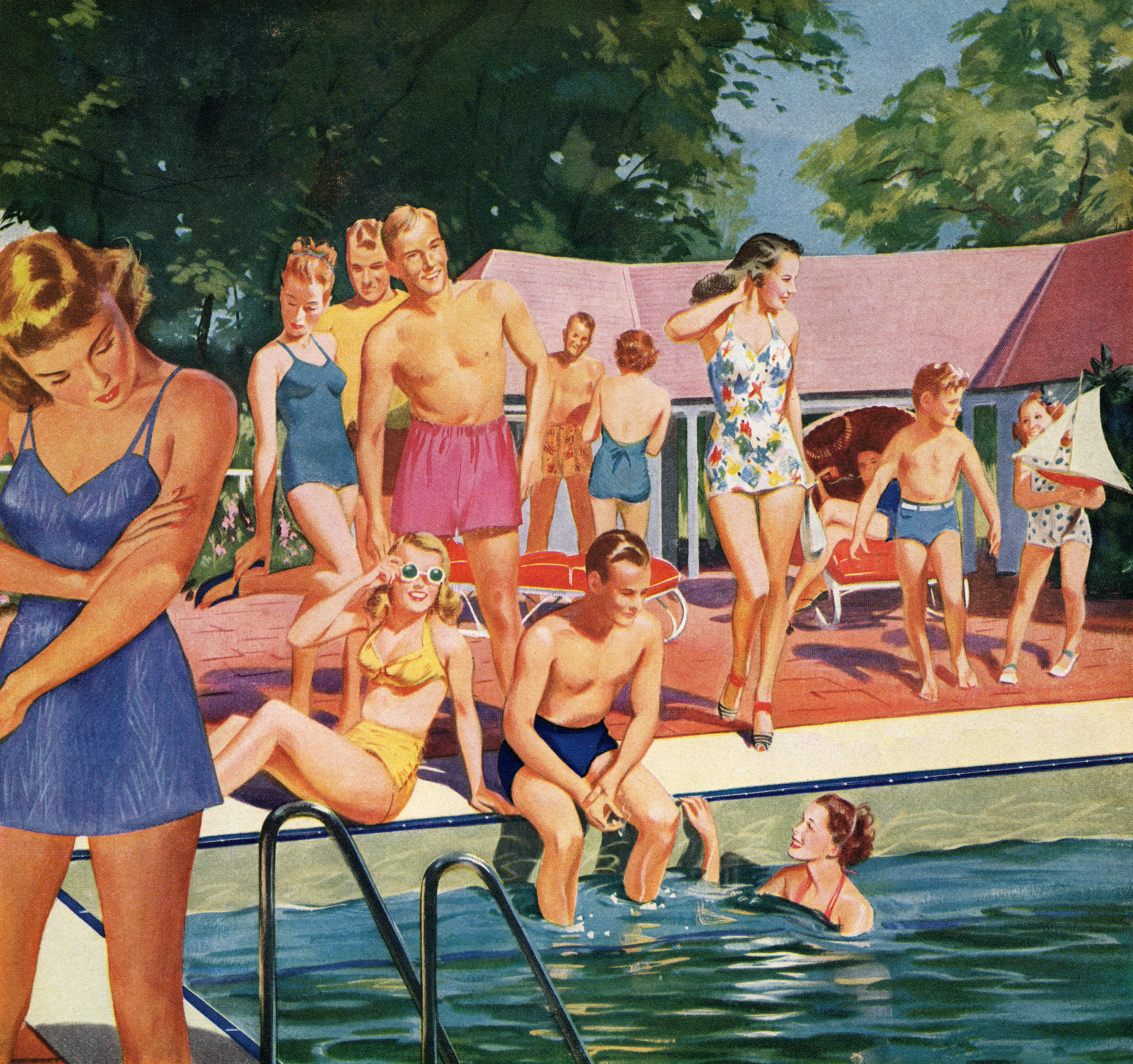
As the weather warms up, people not only find romance but also make more friends. During vacations, the usual social barriers tend to fall away, making it easier to form new connections. This increased sociability is attributed to a greater openness fostered by environments like beaches and group excursions. Without the constraints of our regular social circles, adults find it simpler to build new bonds. The relaxed atmosphere of holidays encourages a more horizontal and less restrictive approach to social interaction. This period allows for a broader engagement with others, moving beyond established routines and familiar groups. Consequently, the summer months and holiday periods become prime times for expanding one's social network. The shift in environment and mindset during vacations facilitates a more natural and less inhibited way of meeting and connecting with new people.
The summer vacation period often correlates with increased social interaction due to reduced professional obligations and a shift in environmental context. This phenomenon highlights how structured societal routines can act as barriers to casual social formation. The relaxation of these structures, combined with shared leisure activities, creates opportunities for novel connections. Understanding these dynamics can inform urban planning and community design to foster more organic social integration throughout the year, rather than relying on seasonal opportunities. The future of social cohesion may involve designing spaces and schedules that inherently encourage broader, less hierarchical interactions, mitigating the limitations imposed by rigid daily structures.
AI-generated to prompt reflection — not editorial opinion, not advice, not a statement of fact. How this works.