Why America Struggles to Win Wars: From Vietnam to Iran
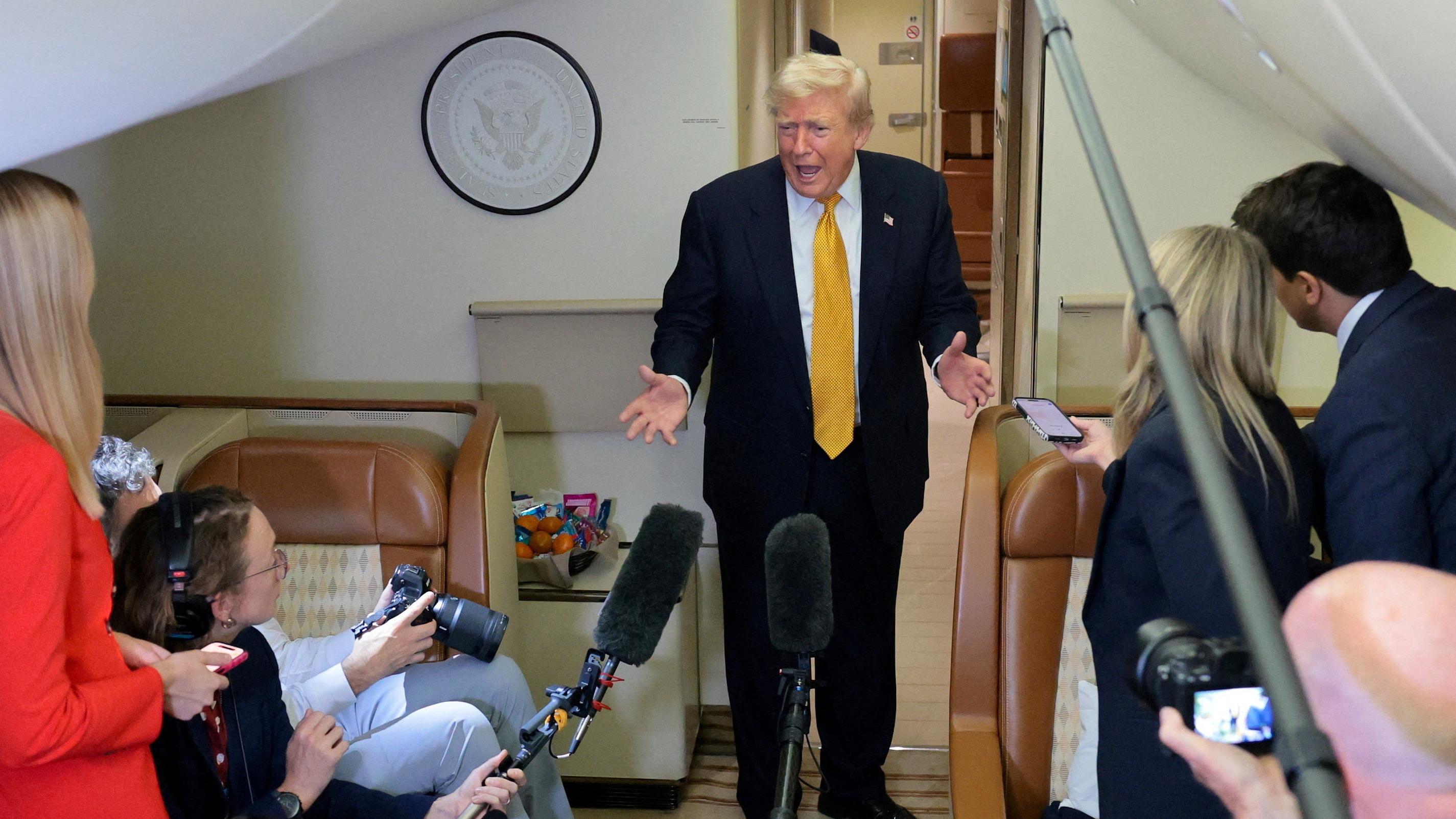
The article "Why America Struggles to Win Wars: From Vietnam to Iran" analyzes the recurring pattern of American military engagements ending in stalemates, rather than decisive victories. It highlights that even former President Donald Trump, who pledged to restore American winning capabilities, faced this challenge. His administration's initial conflict, directed against the Iranian regime, is presented as the latest instance in a long history of U.S. wars that have failed to achieve clear-cut outcomes. The piece suggests a systemic issue rather than isolated failures, implying that the nature of modern conflicts and geopolitical complexities contribute to these impasses. The historical context, referencing Vietnam, underscores a persistent difficulty for American forces in achieving their objectives in various theaters of operation. This ongoing trend raises questions about the effectiveness of American military strategy and its adaptability to evolving global dynamics.
The recurring pattern of U.S. military engagements resulting in stalemates, rather than clear victories, warrants examination through the lens of evolving geopolitical landscapes and the nature of modern warfare. Factors such as asymmetric conflict, the rise of non-state actors, and the interconnectedness of global politics present complex challenges that traditional military doctrines may not fully address. Understanding the incentive structures for all parties involved, including the strategic objectives of adversaries and the domestic political considerations within the U.S., is crucial. Future military and foreign policy strategies may need to incorporate more nuanced approaches that prioritize diplomatic, economic, and informational tools alongside military power to achieve sustainable outcomes in a multipolar world.
AI-generated to prompt reflection — not editorial opinion, not advice, not a statement of fact. How this works.