Why Are Bank and Black Market Exchange Rates Moving in Opposite Directions?
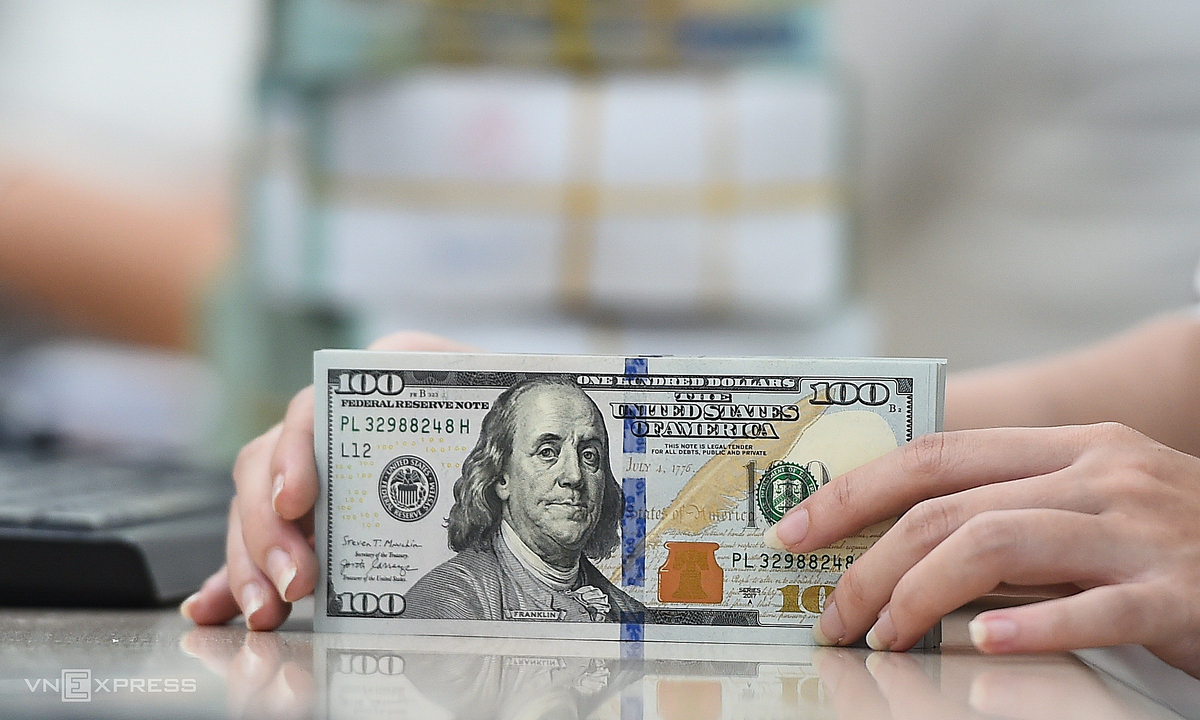
The central exchange rate has been maintained at its highest level in 11 months, creating a "buffer zone" in anticipation of the year-end. This strategic move by the State Bank of Vietnam aims to provide a safety margin against potential fluctuations. Meanwhile, the US dollar exchange rate at commercial banks has remained stable, indicating a controlled market environment. In contrast, the black market for US dollars has experienced a significant decrease in value. This decline is attributed to a cooling down of speculative activities. Traders and individuals who were previously engaging in aggressive buying of dollars appear to be reducing their positions, leading to a surplus of dollars in the informal market and a subsequent drop in prices.
The divergence in exchange rates between the official banking sector and the unofficial black market suggests a dynamic interplay of monetary policy, market sentiment, and speculative pressures. The central bank's decision to maintain a high central rate likely aims to stabilize the broader economy and manage inflation expectations, particularly as the year concludes. The stability in bank rates reflects the effectiveness of formal monetary tools in controlling liquidity and exchange rates within regulated channels. Conversely, the sharp decline in the black market indicates that speculative demand, which often inflates unofficial rates, has subsided. This could be due to increased regulatory scrutiny, a shift in investor confidence, or a realization that the speculative bubble has burst. Understanding these opposing trends is crucial for assessing the true health of the currency and the effectiveness of the central bank's interventions in managing both formal and informal market forces.
AI-generated to prompt reflection — not editorial opinion, not advice, not a statement of fact. How this works.