Why Are Children More Vulnerable to 'Brain-Eating' Amoeba?
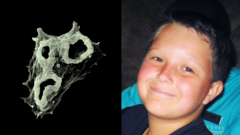
Recent outbreaks of a brain-eating amoeba infection in Kerala have challenged existing perceptions about the severity of the disease. This single-celled organism, known scientifically as Naegleria fowleri, primarily affects children, raising concerns among health officials and parents. The amoeba is commonly found in warm freshwater environments, such as lakes, rivers, and hot springs, and can enter the human body through the nose. Once inside, it travels to the brain, causing a rare but often fatal infection called primary amebic meningoencephalitis (PAM). Symptoms typically appear within a week of infection and can include headache, fever, nausea, vomiting, and stiff neck. As the disease progresses, it can lead to confusion, loss of attention, balance issues, seizures, and hallucinations. The infection progresses rapidly and is usually fatal within days of symptom onset. While the overall number of cases is low, the high mortality rate makes it a significant public health concern, particularly for young individuals whose immune systems may be less developed. Prevention strategies focus on avoiding nasal entry of water in warm freshwater bodies during warmer months. This includes using nose plugs or keeping the head above water. Public health advisories often emphasize the importance of awareness and caution when engaging in recreational activities in potentially contaminated water sources.
The heightened concern surrounding Naegleria fowleri infections, particularly in children, highlights a critical intersection of environmental factors and public health vulnerability. The organism's prevalence in warm freshwater suggests that climate change and increased recreational water use could potentially expand its geographic range and seasonal activity. The disparity in vulnerability among children may be linked to physiological factors, behavioral patterns such as less cautious water play, or less robust immune responses. Public health messaging needs to balance awareness of the rare but severe risks with practical, accessible prevention strategies, avoiding undue alarm while empowering communities with knowledge. Future interventions could explore improved water monitoring systems and enhanced public education campaigns tailored to at-risk demographics and environments.
AI-generated to prompt reflection — not editorial opinion, not advice, not a statement of fact. How this works.