Why Are Fingerprints Left on Dough? Understanding Vastu Rules
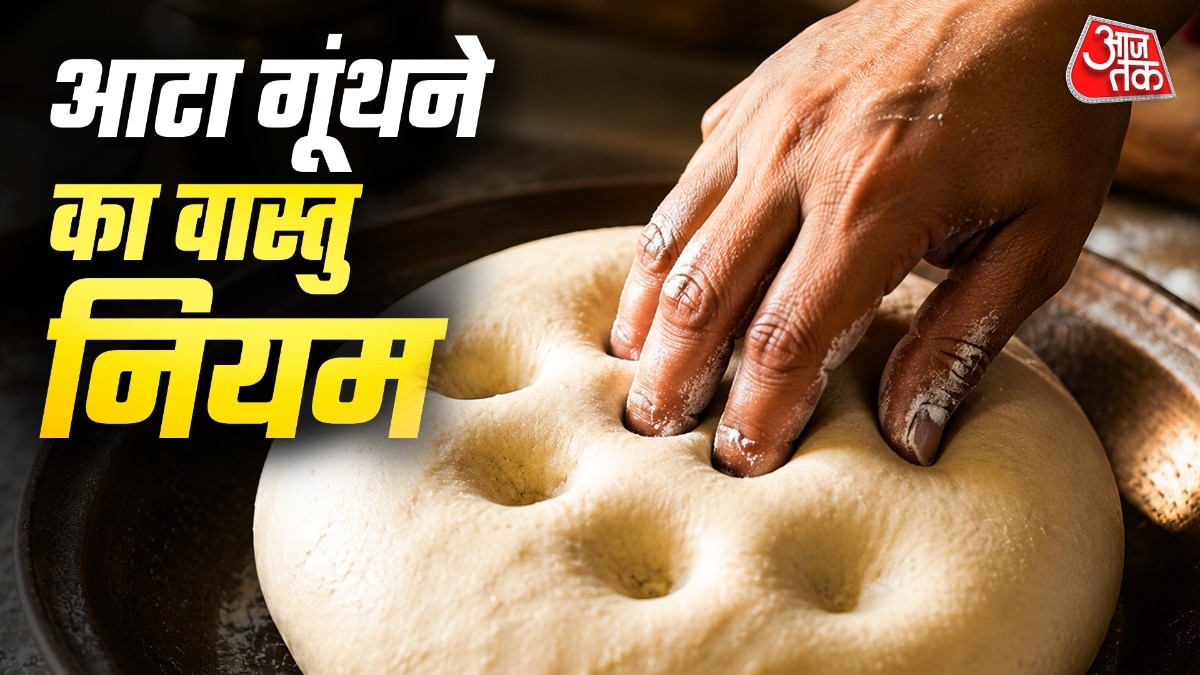
In Indian households, the kitchen is considered the heart of family well-being and health. However, the dough stored in the kitchen can potentially impact one's fortune. This article explores the reasons behind leaving fingerprints on kneaded dough, a practice rooted in Vastu Shastra principles. Vastu is an ancient Indian system of architecture and design that aims to harmonize human dwellings with nature. Specific practices within the kitchen, such as how dough is handled and stored, are believed to influence the overall prosperity and health of the family. The tradition of imprinting fingers on dough is often linked to invoking positive energies and warding off negative influences. Understanding these Vastu rules can help individuals maintain a more auspicious environment in their homes, particularly within the sacred space of the kitchen. The article suggests that by adhering to these practices, families can ensure their kitchen remains a source of happiness and good health.
This practice, rooted in Vastu Shastra, reflects a cultural belief system that associates everyday actions with energetic outcomes. From a systemic perspective, such traditions can foster mindfulness and a sense of ritual around domestic tasks, potentially contributing to a more harmonious home environment. The underlying principle appears to be the intention to imbue the food preparation process with positive energy, influencing not just the physical sustenance but also the spiritual and emotional well-being of the household. In the context of modern living, these practices can be viewed as a way to connect with cultural heritage and imbue daily routines with a sense of purpose and intention, which may have psychological benefits.
AI-generated to prompt reflection — not editorial opinion, not advice, not a statement of fact. How this works.