Why Are So Many Dying from Lightning Strikes in Bangladesh?
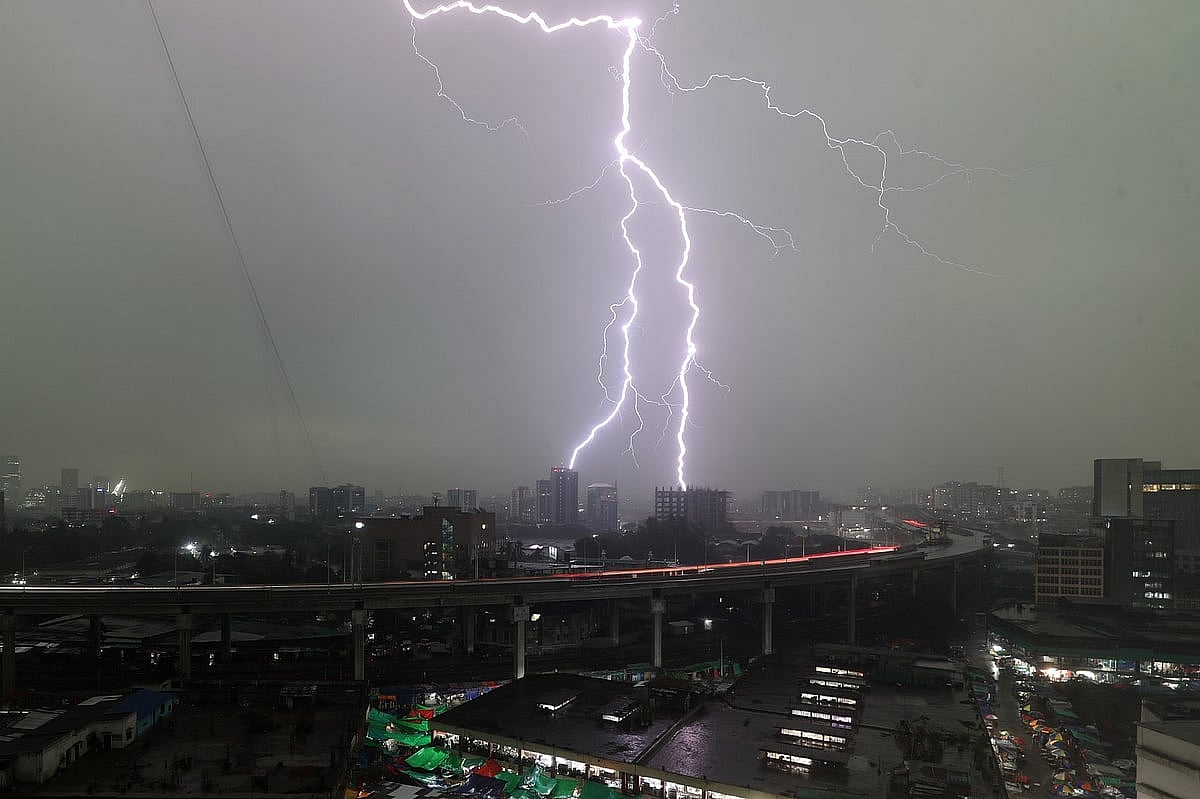
Bangladesh is experiencing a concerning rise in lightning-related fatalities, with 71 deaths reported in just the past week and 72 in the first four months of this year. The UN estimates that an average of 300 Bangladeshis die annually from lightning strikes. The phenomenon is attributed to a complex interplay of atmospheric conditions unique to the region. Bangladesh lies in a zone highly prone to lightning, where warm, moist air from the Bay of Bengal collides with cold air descending from the Himalayas, creating massive cumulonimbus clouds. This process intensifies during the Kalbaishakhi storm season, from March to June, with the highest concentration of strikes in the Sylhet region and northern districts.
While lightning occurs globally, the high mortality rate in Bangladesh is exacerbated by specific environmental and behavioral factors. Farmers often work in open fields, making them the highest point and thus vulnerable targets. Fishermen face risks as electricity conducts through water, and seeking shelter under trees can be fatal, as lightning can jump from the tree to nearby individuals. Climate change is further intensifying these risks, with a predicted 12% increase in lightning events for every degree Celsius rise in temperature, leading to more intense storms and greater humidity.
Despite the government declaring lightning a disaster in 2016 and installing lightning rods, their effectiveness is limited. Many rods are non-functional, and crucial information about seeking immediate shelter within 30 seconds of thunder and remaining indoors for 30 minutes after the last strike has not reached vulnerable rural populations. The majority of victims are dying due to a lack of awareness and precautionary knowledge, highlighting a critical gap in public safety education.
The high incidence of lightning deaths in Bangladesh, exacerbated by climate change, underscores a critical infrastructure and public awareness deficit. While meteorological conditions are a significant factor, the disproportionate loss of life points to systemic issues in disaster preparedness and dissemination of vital safety information to at-risk populations, particularly agricultural workers and fishermen. The government's initiative to install lightning rods, though a positive step, appears insufficient due to maintenance issues and a failure to integrate this technology with comprehensive public education campaigns. Future strategies should focus on robust, community-level awareness programs and ensuring the long-term functionality of protective infrastructure, addressing the gap between policy implementation and on-the-ground impact to mitigate preventable fatalities in an increasingly volatile climate.
AI-generated to prompt reflection — not editorial opinion, not advice, not a statement of fact. How this works.