Why Aren't Nepali Journalists and Media Houses Accessible to People with Disabilities?
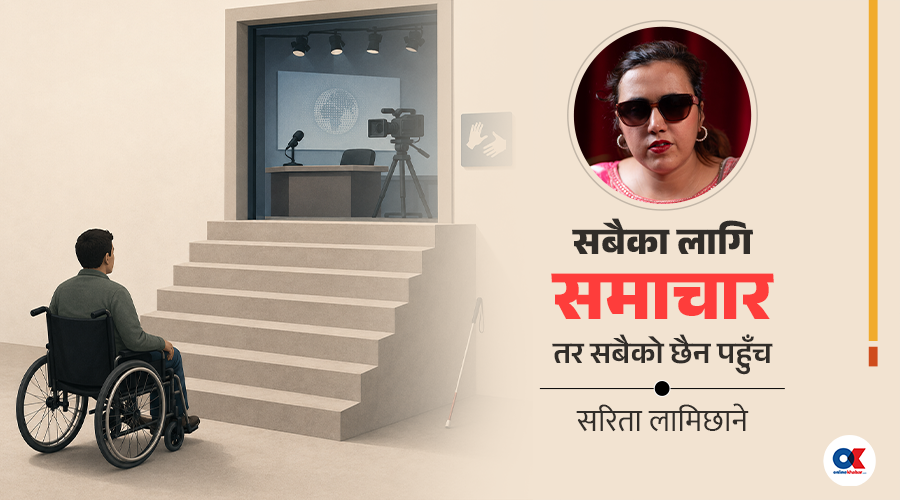
Nepali journalism faces a significant challenge today, not only in producing information but also in ensuring access to it. The field cannot fully fulfill its public duty until news is created for everyone. This raises a critical question about why media houses and journalists have not yet become disability-friendly. Ensuring that information is accessible to all segments of society is a fundamental aspect of journalistic responsibility. When news content is not created with the diverse needs of the population in mind, it limits the reach and impact of journalism. This lack of inclusivity means that a portion of the public is excluded from vital information and public discourse. Addressing this gap requires a conscious effort from media organizations to adopt inclusive practices in their reporting and content creation. The goal is to make journalism a truly public service, serving all citizens equally.
The accessibility of information is a core tenet of public service journalism. When media outlets fail to produce content that is accessible to all segments of society, including individuals with disabilities, they fall short of their societal mandate. This situation highlights potential systemic oversights in media training, content production workflows, and platform design. Future media strategies must integrate universal design principles and accessibility standards from the outset, rather than as an afterthought. This proactive approach is crucial for ensuring equitable information access in an increasingly diverse and technologically evolving information landscape, aligning with broader societal goals of inclusion and equal participation.
AI-generated to prompt reflection — not editorial opinion, not advice, not a statement of fact. How this works.