Why Astronauts Hopped on the Moon and the Role of Bungee Mice
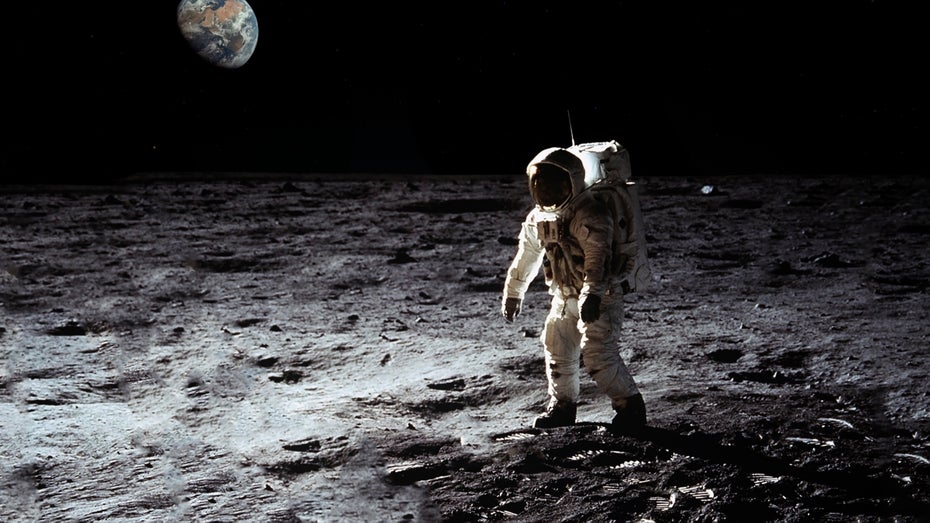
During the Apollo missions in the 1970s, astronauts on the lunar surface adopted an unusual gait: an asymmetrical hopping motion rather than walking or running. This mode of locomotion is rarely observed in adults under Earth's gravity conditions. For a long time, the primary explanation for this behavioral shift was attributed to the restrictive design of the bulky pressure suits worn by the astronauts. The suits' rigidity and limited flexibility likely made conventional walking difficult, necessitating a more energy-efficient hopping style to navigate the low lunar gravity. The article hints at further explanations, including the surprising involvement of "bungee mice" in understanding this phenomenon, suggesting a more complex scientific inquiry than initially apparent.
The Apollo astronauts' distinctive lunar gait highlights the significant impact of environmental constraints on human locomotion. While pressure suit design was a primary factor, the mention of "bungee mice" suggests a broader scientific investigation into biomechanics and adaptation under reduced gravity. This phenomenon underscores the importance of understanding human-system interactions in extreme environments, a critical consideration for future space exploration and extraterrestrial habitation. Future missions will benefit from optimized suit designs and a deeper comprehension of physiological responses to off-world conditions, ensuring astronaut efficiency and safety.
AI-generated to prompt reflection — not editorial opinion, not advice, not a statement of fact. How this works.